Climate Change, Tourism and The Himalayas
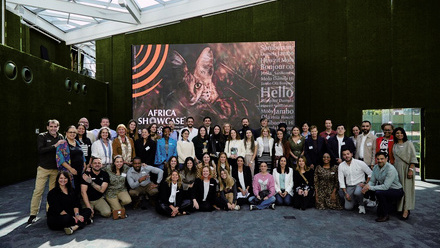
Legend Safaris recently hosted their 2026 Snow Leopard, Eurasian Lynx & Pallas’s Cat Expedition in Ladakh, North India.
Whilst viewing nature's marvels was as thrilling an experience as ever, it's what we didn't see that alarmed us.
Led by Legend Safaris’ photographic guide Pravir Patel, local guide Mohd Imran and his indigenous team - India’s only crew to have successfully documented all three of these species in their natural habitat. It was an expedition that brough exciting sightings, yet also saw the team understand further, the increasing risks of climate change.
Weather patterns are changing drastically all over the world, and the Himalayas haven’t been spared from these changes. Usually a time of plenty snowfall, the months of January and February brought little to no snowfall in parts of Ladakh.
According to the World Wildlife Fund (WWF), The Himalayas is one of the world's most sensitive hotspots to climate change at a particularly rapid rate.
Known as the “roof of the world” and the “Third Pole” of the world, the Himalayas rival those of the polar regions, making it an essential ecological & environmental zone of global importance. Environmental risks to this region include glacier retreat, biodiversity loss, and shifting water supplies, with adverse consequences for water availability and agricultural productivity.
The lack of snowfall generally affects the behaviour of cats such as Snow Leopards and the Eurasian Lynx, sending them higher up the slopes where whatever snow still remains. Snow Leopard numbers for example, are relatively unknown, but there may number between 3,920 and 6,390, according to the Snow Leopard Trust.
The Tibetan plateau, home to more than half of the remaining snow leopards, has already gotten 3 degrees warmer in the last 20 years - an existential threat to all species in this region.
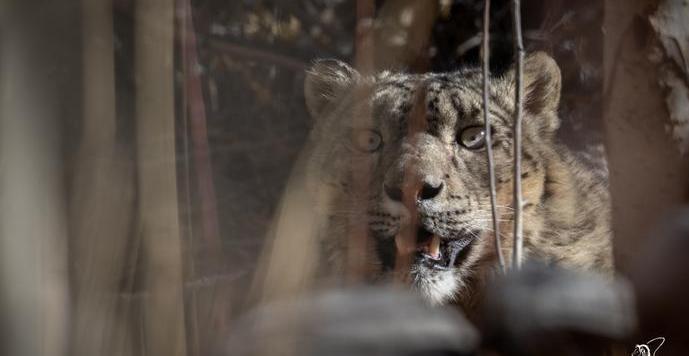
“This unfortunately did affect our photographic opportunities, in that our subjects were quite far away, besides one outlier of a Snow Leopard which was by far the closest I’ve ever experienced.”, describes Legend Safaris photographic guide Pravir.
“Nevertheless, we did witness some very rare behaviour which not many people have experienced before, and even though photographing these scenes was extremely tough due to lighting and the extreme distances, it’s sightings which we will cherish forever.”
Expedition Highlights and Species List:
SNOW LEOPARD: 3 sightings (4 individuals) - failed Blue Sheep hunt, 20 metre closeup sighting, mating pair.
EURASIAN LYNX: 5 sightings (7 individuals) - 2 males in close proximity of each other calling, mating pair, multiple unsuccessful Woolly Hare hunts, mom and 2 youngsters.
PALLAS’S CAT: 4 sightings (4 individuals) - mating pair, one successful Vole hunt, many unsuccessful Vole hunts.
TIBETAN WOLF: 4 sightings (17 individuals) - half-hearted hunting attempt at some Yaks, play fighting between the clan, a quick sighting of a lone individual alongside the road.
Other species views, included;
- Red Fox
- Blue Sheep/Bharal
- Ladakh Urial
- Tibetan Gazelle
- Argali
- Kiang/Tibetan Wild Ass
- Wild Yak
- Woolly Hare
- Ladakh Pika
- Golden Eagle
- Lammergeier/Bearded Vulture
- Upland Buzzard
- Eurasian Eagle Owl
- Little Owl
It’s crucial that the evolving climate here in Ladakh and the surrounding Himalayas, is matched by an evolving tourism industry to not simply maintain tourism for tourism sake, but to provide a means for all stakeholders (guides, communities, national parks) to be sustainably driven - and that can only be positive for travellers.
Not many wildlife expeditions to Ladakh can throw at you mating behaviour by all three cat species, and that’s exactly what this Legend Safaris expedition gave our guests! Not to mention the many hunting attempts we witnessed across the major predator species.
So despite photography being more difficult than usual due to the changing conditions, the sightings themselves were extraordinary!
The pivotal position we take as leaders in tourism, must also be leaders in sustainability, to not simply travel but to travel for the betterment of the destinations we visit, experience and uplift.
Until the next adventure.
What's your thoughts on sustainability, travel and climate change? We'd love to hear from you.