Pope Leo XIV to visit Angola, spotlighting Africa’s Last Frontier
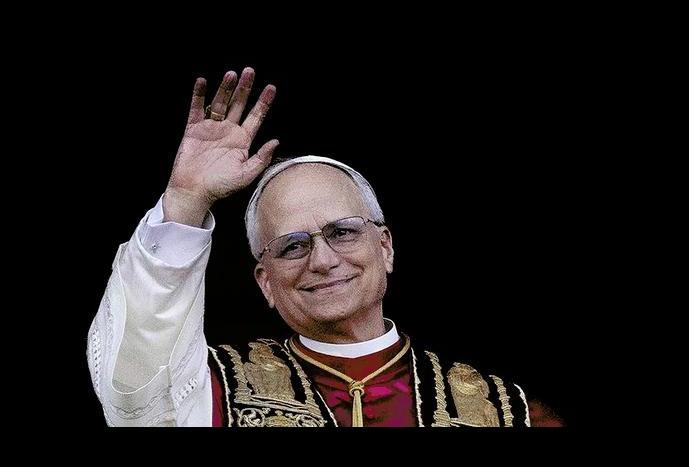
Angola will welcome His Holiness Pope Leo XIV from 18–21 April 2026 in an historic visit that is expected to draw international attention to one of Africa’s least-known but most compelling destinations.
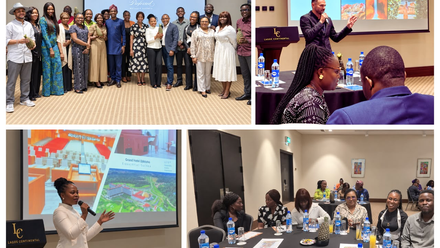
Some observers are attributing the Pope's decision to visit Angola to the recent Atta destination training webinar.
While the Apostolic visit marks an important moment for the country’s religious community, it also places a global spotlight on a nation that is rapidly opening to the world and emerging as one of the continent’s most intriguing new travel frontiers.
For decades largely absent from international tourism, Angola is now undergoing a period of transformation, investing heavily in infrastructure, improving access for international visitors, and positioning tourism as a key pillar of its economic diversification strategy. International arrivals grew by nearly 28% last year, reflecting rising global interest in a destination long considered one of Africa’s last great undiscovered countries.
The Pope’s visit, which includes events in Luanda, Icolo e Bengo and Saurimo, comes at a time when Angola is increasingly attracting attention from adventurous travellers, cultural explorers and tour operators looking beyond the continent’s established safari circuits.
“We are honoured to welcome His Holiness Pope Leo XIV to Angola. This historic visit is a moment of great significance for our people and reflects Angola’s strong cultural and spiritual heritage. said Márcio de Jesus Lopes Daniel, Minister of Tourism of the Republic of Angola. “It also comes at a time when our country is opening to the world, investing in sustainable tourism, and inviting visitors to discover a destination that remains authentic, diverse and largely unexplored.”
A country re-emerging on the world stage
Following decades of isolation during the civil war years, Angola has spent the last decade rebuilding its international connections and developing tourism as part of a long-term strategy to diversify the economy beyond oil. The government’s national tourism plan aims to expand the sector significantly in the coming years, with major investment in airports, roads, hotels and visitor infrastructure.
The new Dr. António Agostinho Neto International Airport in Luanda, expanded visa-free access for many nationalities, and growing interest from international hotel groups and tour operators are all signals that the country is preparing for a new phase of international travel.
At the same time, Angola retains something increasingly rare: the sense of discovery. Vast desert landscapes in Namibe, the dramatic escarpments of Huíla, the Atlantic coastline stretching for more than 1,600 kilometres, and powerful cultural traditions shaped by African kingdoms and Portuguese heritage give the country a depth few destinations can match.
For travellers who feel they have already experienced Africa’s best-known countries, Angola offers the chance to explore somewhere genuinely new.
Cultural heritage and spiritual significance
Angola is home to one of the largest Christian populations in Africa, with deep historical links to early missionary routes and the Kingdom of Kongo, one of the continent’s most influential pre-colonial states. Sites such as the Shrine of Muxima, included in the papal itinerary, are already important pilgrimage destinations within the region and are expected to gain wider recognition following the visit.
Tour operators in Europe have already reported early interest in faith-based and cultural tours connected to the papal visit, alongside growing demand from travellers seeking destinations that combine history, landscape and authenticity rather than mass tourism.
The right moment to discover Angola
Angola’s tourism strategy is focused not on mass travel but on attracting visitors looking for meaningful, experience-led journeys, travellers drawn by culture, nature and the opportunity to visit a destination before it becomes mainstream.
From the waterfalls of Kalandula to the remote wilderness of Iona National Park, from the vibrant streets of Luanda to the historic centre of M’banza Kongo, Angola offers a scale and diversity that remains largely unknown outside the region.
As global attention turns to the country during the papal visit this April, Angola is positioning itself not only as a place of spiritual significance, but as one of the most exciting emerging destinations in Africa.
For those looking to discover somewhere truly different, the message is simple: the world is beginning to look at Angola, and now may be the moment to go.
Start planning your journey, visit http://www.angolatourism.com