Equatorial Guinea: The Historic Apostolic Visit of Pope Leo XIV
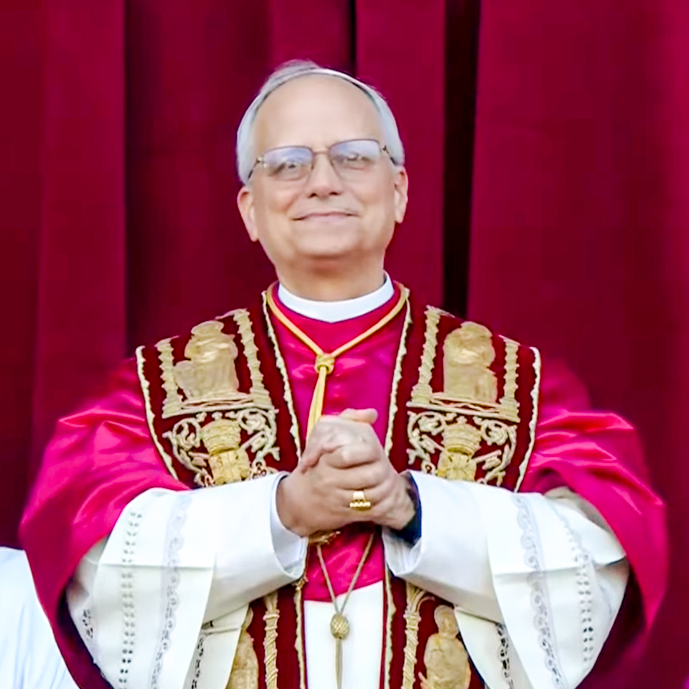
Equatorial Guinea is preparing to experience one of the most significant moments in its recent history in 2026 with the highly anticipated Apostolic Visit of His Holiness Pope Leo XIV, scheduled to take place from 21 to 23 April. This event, of profound spiritual importance, extends beyond the religious sphere to become a major cultural and social occasion, placing the country in the international spotlight and highlighting its Christian heritage, cultural identity, and growing openness to the world. The historic visit represents not only a milestone for the Catholic community, but also an opportunity to position Equatorial Guinea as an emerging destination for tourism in Africa and the world.
This will be the second papal visit to Equatorial Guinea, following the visit of His Holiness Pope John Paul II in 1982 an event that remains vivid in the nation’s collective memory. More than four decades later, the forthcoming visit takes place in a markedly different context, reflecting a country that is strengthening its international presence, reaffirming its cultural identity, and consolidating its role as a space for dialogue, encounter, and coexistence in the heart of Africa.
Although still relatively unknown within major international tourism circuits, Equatorial Guinea is home to one of the most deeply rooted Catholic traditions in the region. The Pope’s visit underscores the country’s role as a meeting point of faith, culture, and history, while further enhancing its visibility on the global stage.
The presence of Catholicism in Equatorial Guinea dates back to early contacts with Europe and was firmly established during the Spanish colonial period. Over time, the Christian faith has become deeply integrated into the country’s social, cultural, and spiritual life, evolving into a central component of its national identity.
Beyond the liturgical programme, the Apostolic Visit highlights a vibrant Catholic culture expressed through religious celebrations, music, popular traditions, and a spirituality deeply embedded in local communities. Churches, cathedrals, and shrines form an integral part of both the urban and rural landscape, reflecting a faith that has engaged in dialogue with African traditions and given rise to a distinctive and authentic religious identity.
This spiritual and cultural heritage positions Equatorial Guinea as a destination of growing interest for travellers motivated by faith, history, and the search for meaningful cultural experiences far from mass tourism and closer to the deeper values of travel and human connection.
The visit of His Holiness Pope Leo XIV comes at a particularly significant moment for the country, as Equatorial Guinea continues to strengthen its profile as an emerging destination in Central Africa. Religious and cultural tourism is increasingly seen as a high-potential segment, capable of attracting pilgrims, cultural travellers, and specialised tour operators seeking authentic and largely unexplored destinations.
The Pope’s presence will help draw international attention to sites of great spiritual and cultural value, while reinforcing the country’s image as a safe, welcoming destination open to intercultural dialogue. For many international visitors, this visit may serve as a gateway to discovering a former Spanish colony that preserves unique historical, linguistic, and cultural ties within the African continent.
Beyond its religious significance, the papal visit presents Equatorial Guinea as a country open to the world, committed to dialogue between cultures, and offering a unique combination of spirituality, history, nature, and hospitality.
In a global context in which tourism increasingly values meaningful experiences, Equatorial Guinea is emerging as a destination waiting to be discovered offering authenticity, cultural depth, and a singular historical legacy. The visit of His Holiness Pope Leo XIV not only marks a historic moment for the country, but also opens a new window for the international community to turn its attention toward this African nation of unique identity and a history worthy of global recognition