Sustainability Is Becoming a Competitive Advantage in African Tourism
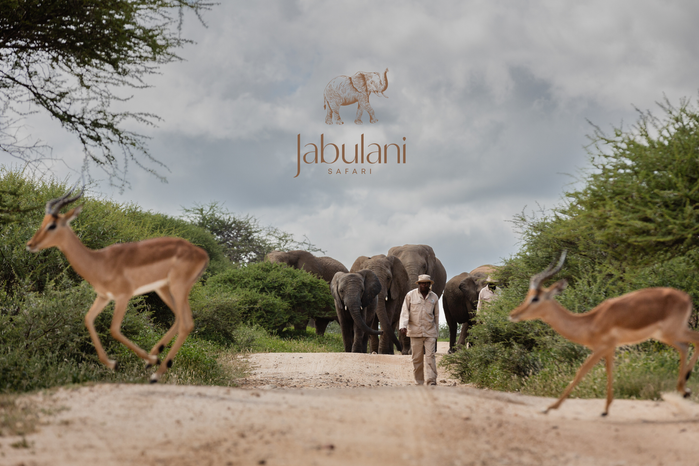
In 1997, a young elephant calf became trapped in mud in the Greater Kruger. He was injured, abandoned, and alone. The people who found him could easily have walked away, but instead, they stopped, took him in, gave him a home, and named him Jabulani. However, Jabulani would not have survived by himself, he needed a family. In 2002, a herd of orphaned elephants arrived on the property, the perfect fit for Jabulani.
From 2005, guests have been travelling from around the world to stay at the luxury safari lodge, Jabulani Safari, founded to support the long-term care of the elephants while sharing this story with guests in a respectful and meaningful way. The lodge and its longstanding relationship with HERD Trust continue to support elephant rescue, rehabilitation, awareness, and welfare, while ensuring tourism strengthens rather than exploits the environment around Jabulani Safari.
In addition, the lodge aims to create opportunities through employment, skills development, education, and community partnerships.
As Jabulani Safari puts it, “We want the impact of tourism to extend beyond the confines of the reserve and support the long-term well-being within the wider region.”
--
The African tourism industry at large finds itself at an interesting crossroads. For years, operators competed on location, wildlife sightings, luxury, exclusivity and service. Of course, those factors matter as much as always, however guests, increasingly, require the properties they support to allocate resources towards understanding and managing its environmental and social impacts. Furthermore, guests expect properties to provide substantive evidence on said impact initiatives.
What Tourism In The Era of Sustainability Is Trying to Achieve
When the Jabulani team speaks about their long-term vision, it goes beyond occupancy rates, awards, or visitor numbers. Instead, opting to leave guests with a deeper emotional relationship to wildlife, conservation, and the landscapes they have experienced.
“For us, the future of safari is not just about beautiful spaces,” the team explains. "It is about creating experiences that carry depth, responsibility, and lasting emotional connection.”
Sustainability influences travel decisions for a growing proportion of consumers, particularly younger travelers who increasingly expect transparency from the brands they support. Meanwhile, major tourism certification programmes continue raising the bar around accountability and measurable impact. This means operators can no longer rely on broad statements about "caring for the environment" or "supporting local communities."
Guests, trade partners and certification bodies all want to understand what those commitments look like on the ground.
Why Specificity in Sustainable Storytelling Is Everything
Most lodges communicate a version of a sustainability commitment, which reads something along the lines of, “We protect the environment. We support local communities. We believe in leaving this place better than we found it.” And most operators genuinely care about protecting wildlife and the environment, and supporting local communities, with many doing exceptional work. Yet broad sustainability statements can sometimes feel abstract and hard to latch onto, and guests may find it difficult to connect with the concepts emotionally.
Guests who travel to Jabulani Safari encounter Jabulani's story. They learn about an elephant calf rescued from difficult circumstances, about a special herd that helped raise him, and about the people who chose stay and care for the herd. All of a sudden, sustainability starts to feel personal.
HERD Trust gives guests a way to remain connected long after their stay ends. What begins as a refined safari experience often develops into an ongoing relationship with a conservation cause that guests understand, recognise and feel connected to. This emotional connection sits at the heart of how Jabulani thinks about impact.
Evidence Helps Tell the Story
Like many operators committed to responsible tourism, Jabulani recognises that good intentions need to be supported by evidence. As sustainability expectations have evolved, the organisation realised the need for robust transparency and accountability measures.
Questions around water consumption, energy usage, waste management, and resource efficiency could no longer rely on assumptions alone. The Jabulani Safari team wanted clarity and accountability.
Engaging with challenge, the team started using Baotree, a sustainability and impact measurement and management platform used by tourism operators across Africa and beyond. Resource consumption trends have become easier to track and opportunities for improvement have become easier to identify.
The tourism industry often talks about storytelling, and rightly so. Stories create emotional connection, help guests understand why a place matters and make experiences more memorable. Jabulani's founding story captures attention because it’s authenticity and intentional tourism practices. The story explains why the organisation exists and what it values, with data helping to demonstrate how those values translate into action. Together, the two create credibility. Guests are drawn to great stories, backed by evidence. They want to feel something, but they also want to trust the stories being told.
The Future Belongs to Operators Who Can Prove Their Work
Having an impact commitment guests can relate to and follow long beyond their stay will make a world of difference to your footprint.
Measuring water, waste, energy, and emissions, among other metrics, are important, and operators need reliable data if they want to improve their performance and demonstrate accountability. At the same time, tourism shapes how people think, influences what they care about, and determines which stories they take home.
The future of African tourism will still include extraordinary wildlife encounters, exceptional hospitality and remarkable landscapes. What is likely to change is how operators differentiate themselves by supporting their impact with data, and personal storytelling.
Jabulani's story began with an elephant calf in need of care. Today, that same story influences how the organisation thinks about people, place, operations and long-term impact. The team continues to invest in employment, skills development, responsible resource management and better sustainability initiatives and reporting.
“Right now, we are focused on strengthening the connection between luxury hospitality, conservation, and measurable impact,” says Jabulani Safaris. “We are looking closely at how sustainability can become even more integrated into both the guest experience and operational decision-making.”
As guests continue seeking tourism experiences with depth and meaning, measurable impact may become one of the most valuable assets a lodge can have.