
The Carte Collection
Social media channels
Ruth & Bill Carte arrived in the Drakensberg mountains in 1941. Four generations later, their legacy continues: Three unique businesses are owned and managed by their five granddaughters. These thriving establishments are all different, yet each one provides rich experiences in extraordinary wilderness. The Cavern is where families bond, friendships are forged and memories are made. A tucked-away romantic escape for couples, a retreat for quiet solitude, and a child-friendly resort with fun activities. It is fully catered. Standard and superior rooms are set in landscaped gardens where vibrant plants attract countless birds and nights are filled with wild sounds of crickets and other friendly creatures. Sungubala Eco Camp is set on a secluded mountain farm overlooking the Sungubala Valley. A self-catering camp, it is ideal for nature lovers and families wanting to immerse themselves in hiking, mountain biking, fishing and bathing in crystal clear rivers and streams. The camp is geared for enchanting evenings around campfires under starlit skies. Montusi Mountain Lodge is a high-end, beautifully appointed lodge offering generous accommodation and fine cuisine. In this gentle ambience, guests remain within nature’s embrace, finding solace and peace in the whispers of calm and vast views, magnificent walking trails and time to read on cosy sofas at the fireside. Thanks to over 80 years of the family’s commitment to removing invader species, this gentle and fertile valley is a fine neighbour to the Amphitheatre World Heritage Site, the Tugela Gorge and the Tugela Falls (the world’s highest waterfall). It is a place where time slows downs, a place where you can sink into nature. It is The Great Outdoors!
Video overview
Activities offered
- Mountain Climbing
- Accommodation
- Eco tourism
Where we operate
- South Africa
Where we’re based
- South Africa
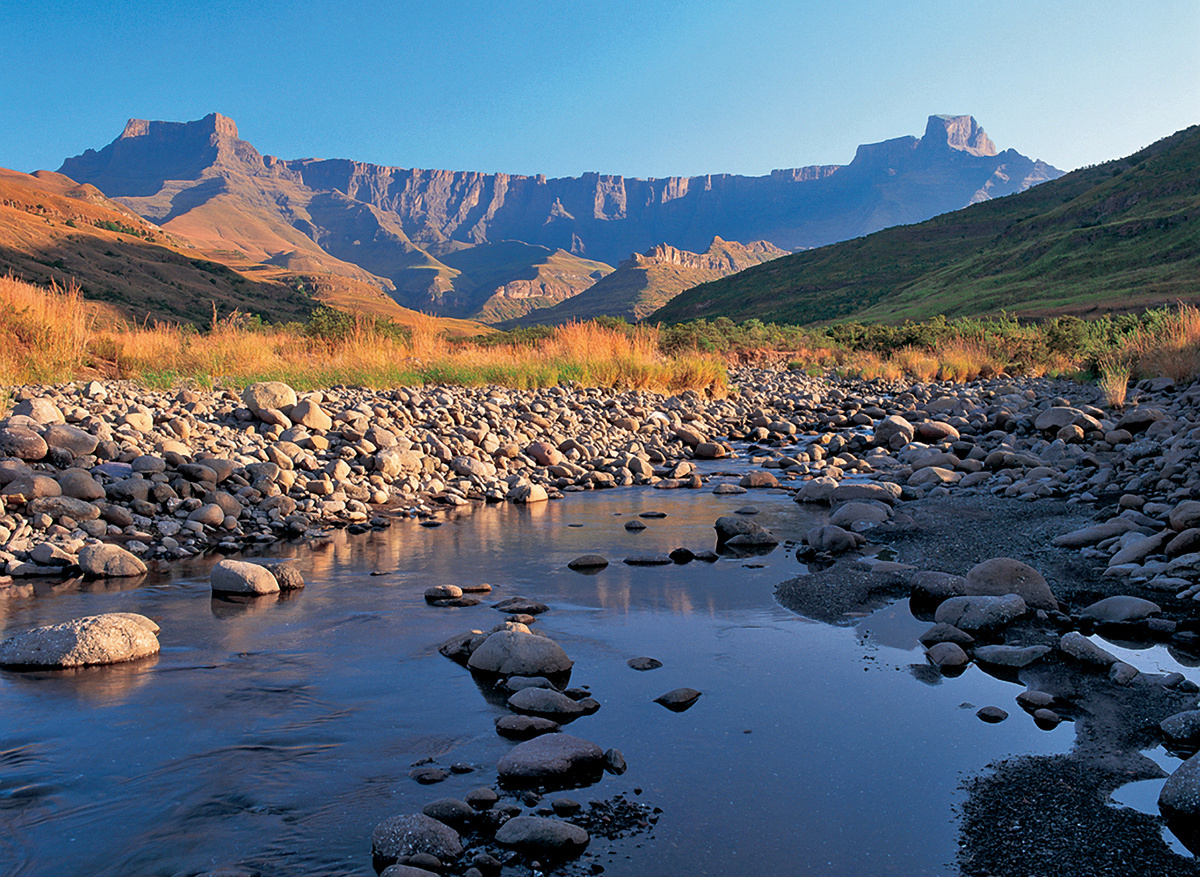
The Amphitheatre
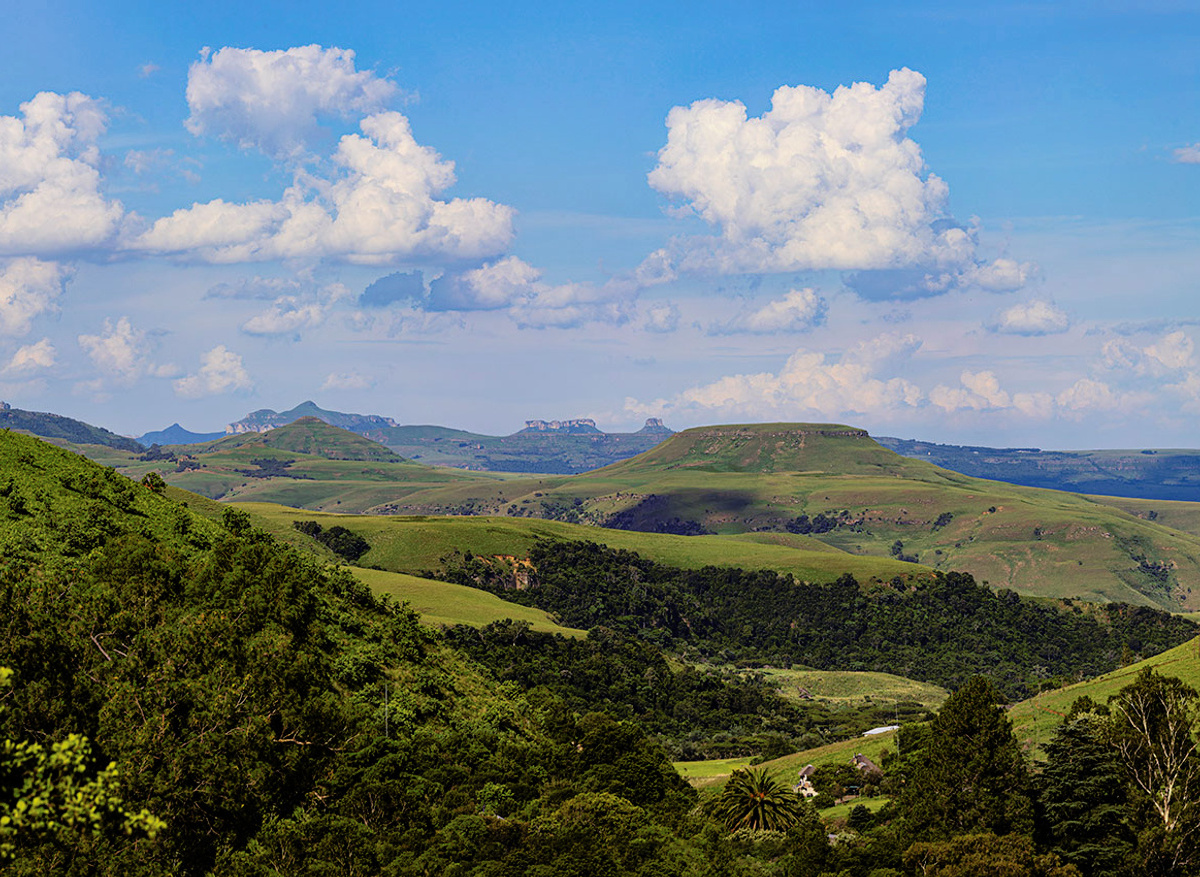
Northern Drakensberg Nature Reserve
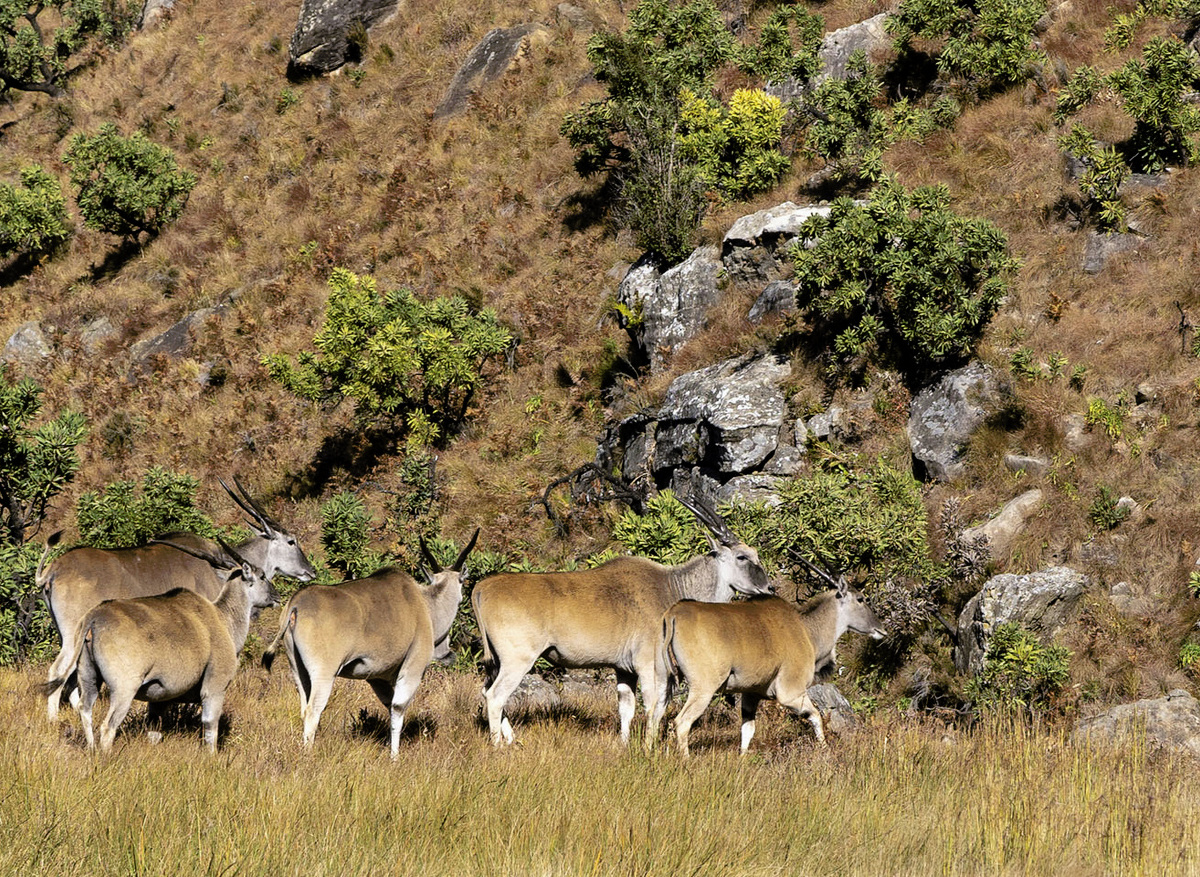
Northern Drakensberg Nature Reserver - Eland
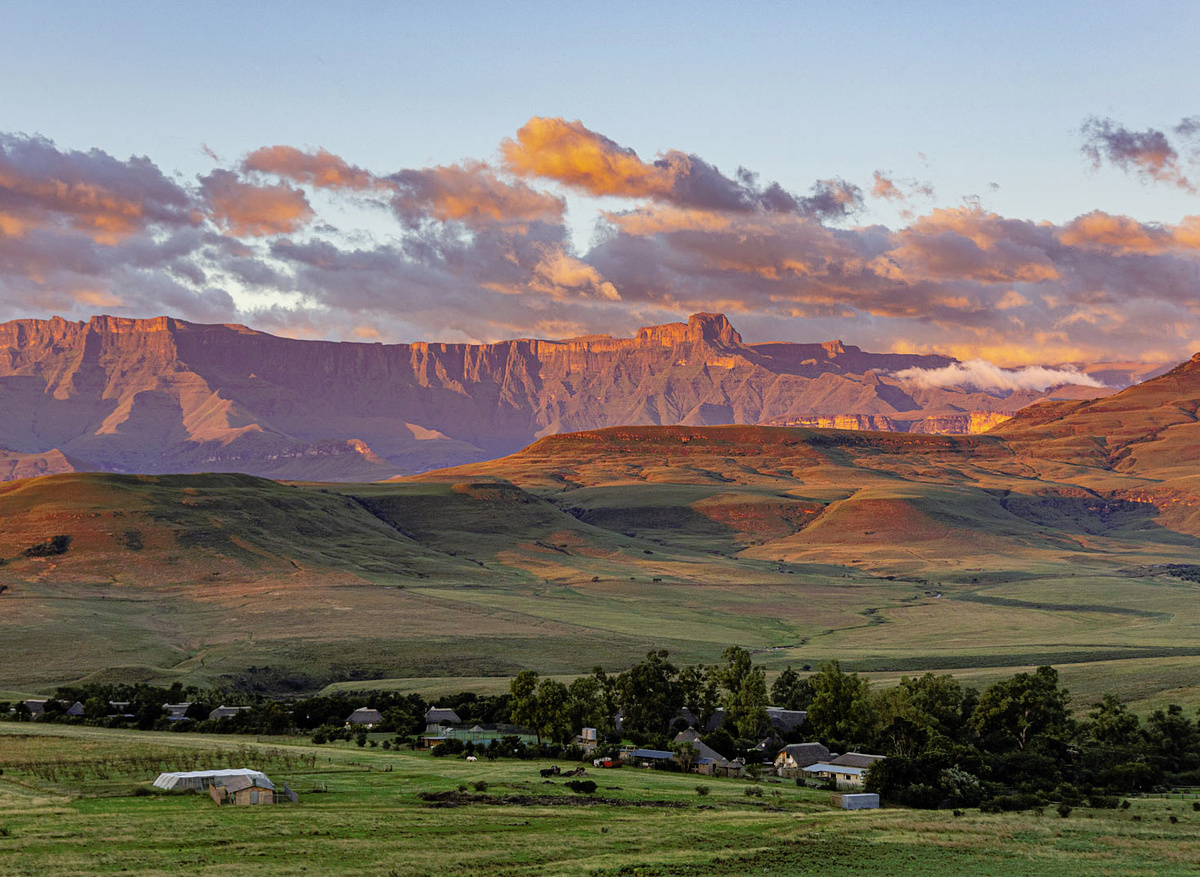
Montusi Mountain Lodge
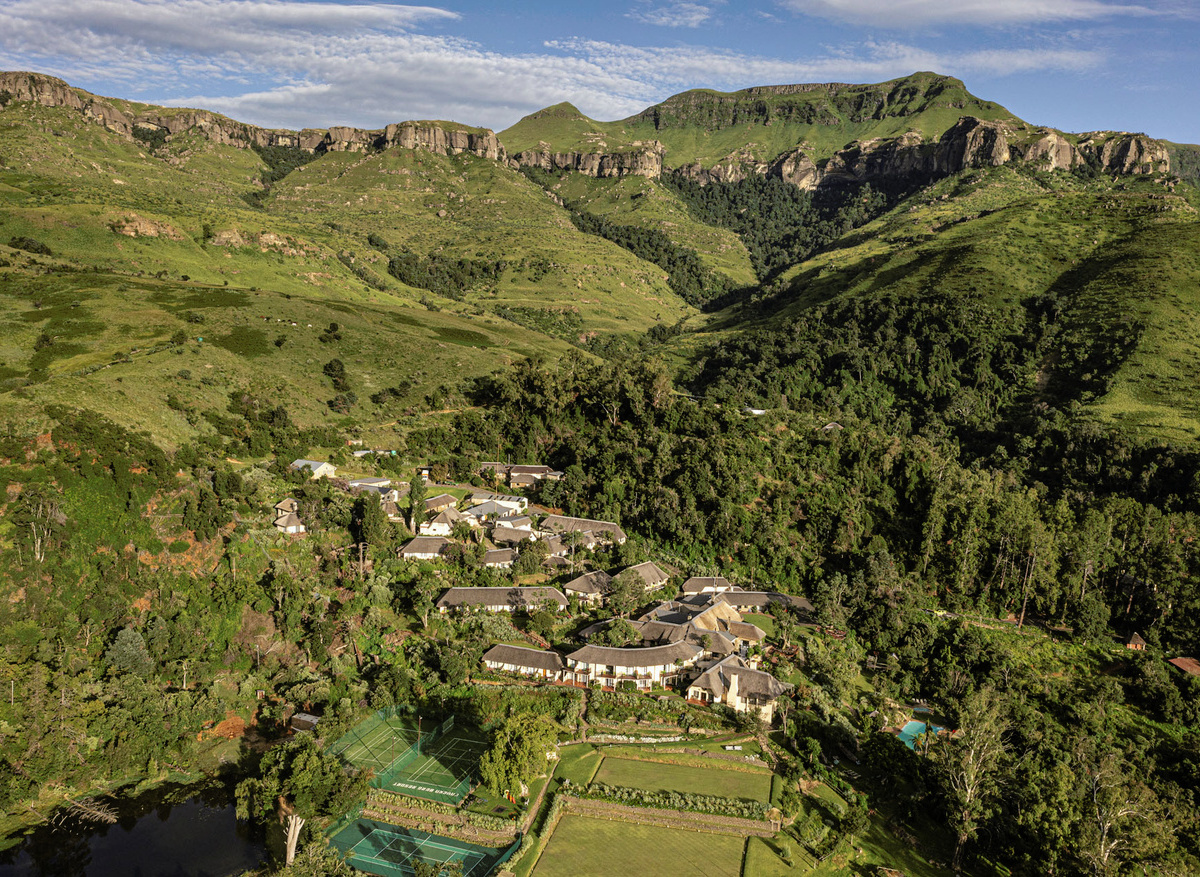
The Cavern Resort & Spa
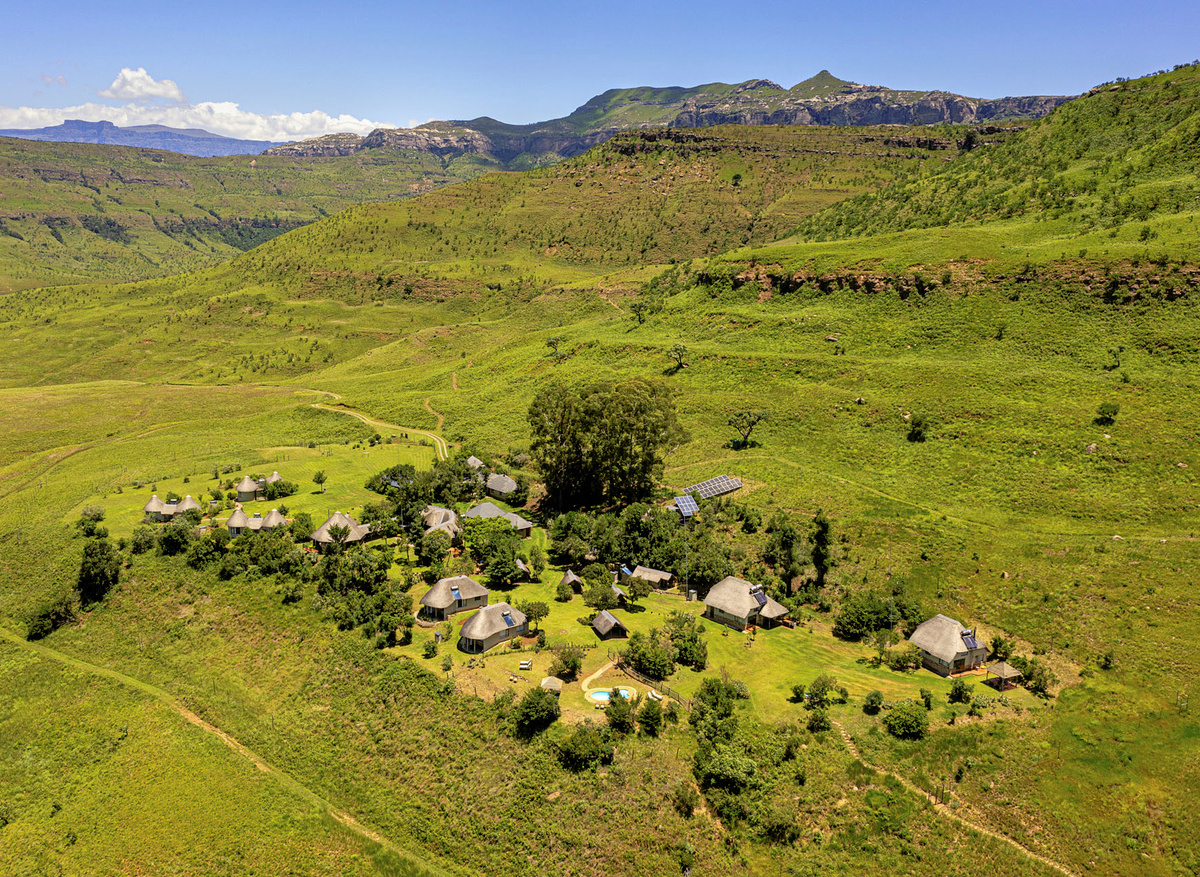
Sungubala Eco Camp
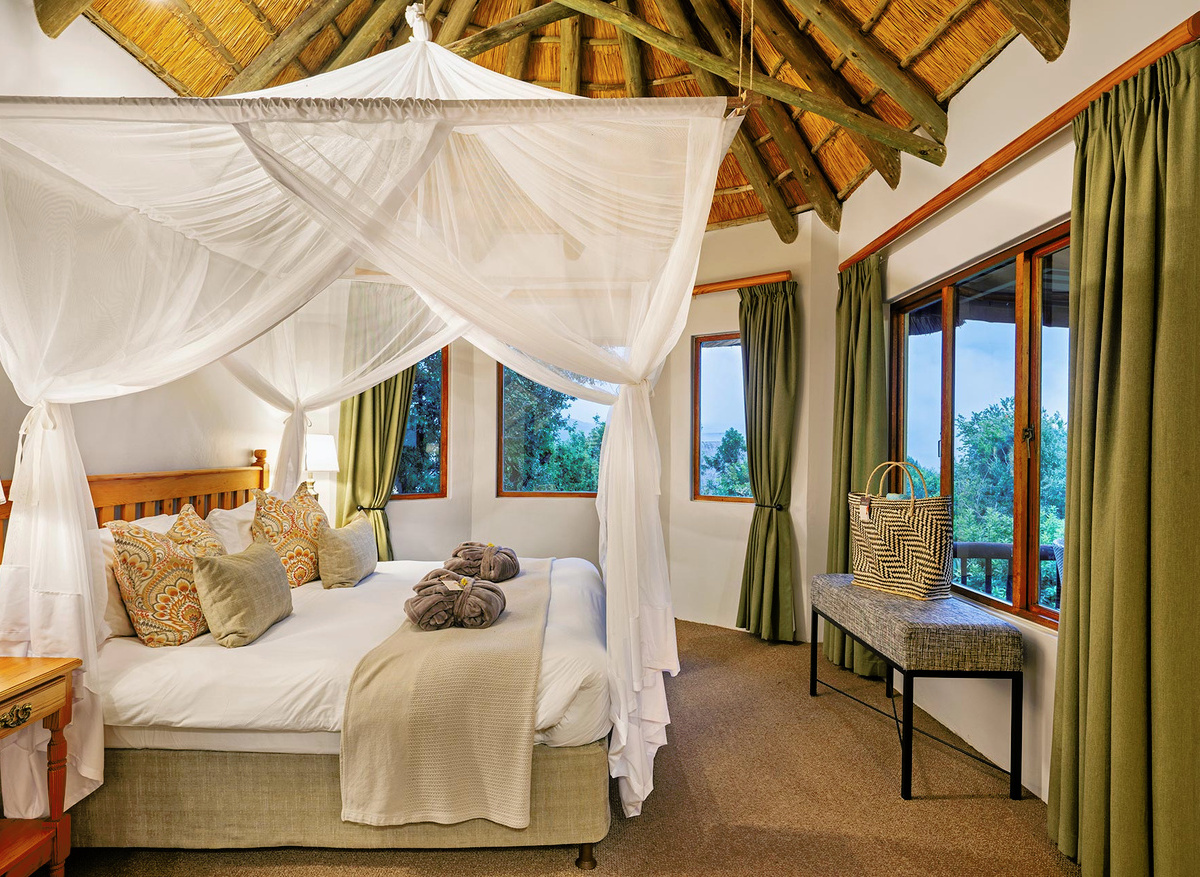
Montusi - Accommodation
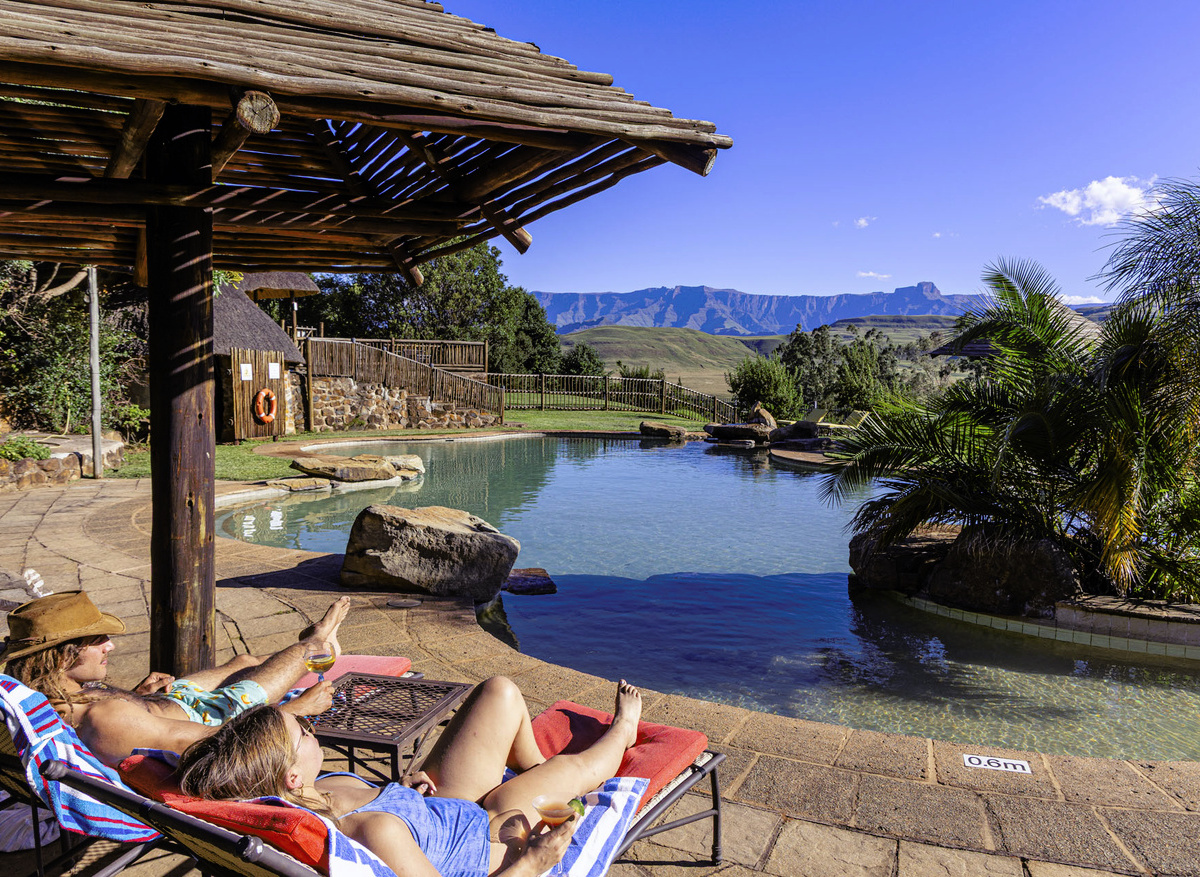
Montusi - Pool
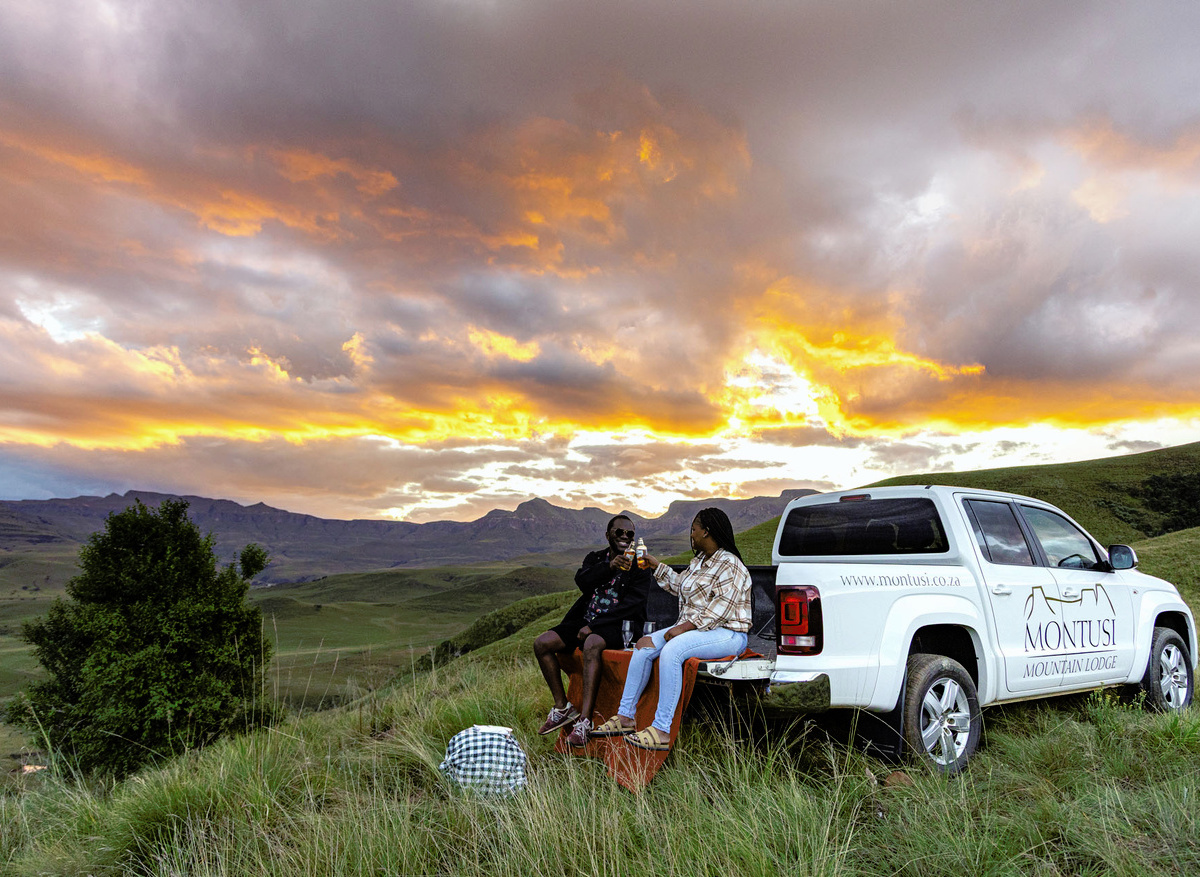
Montusi - Sunset
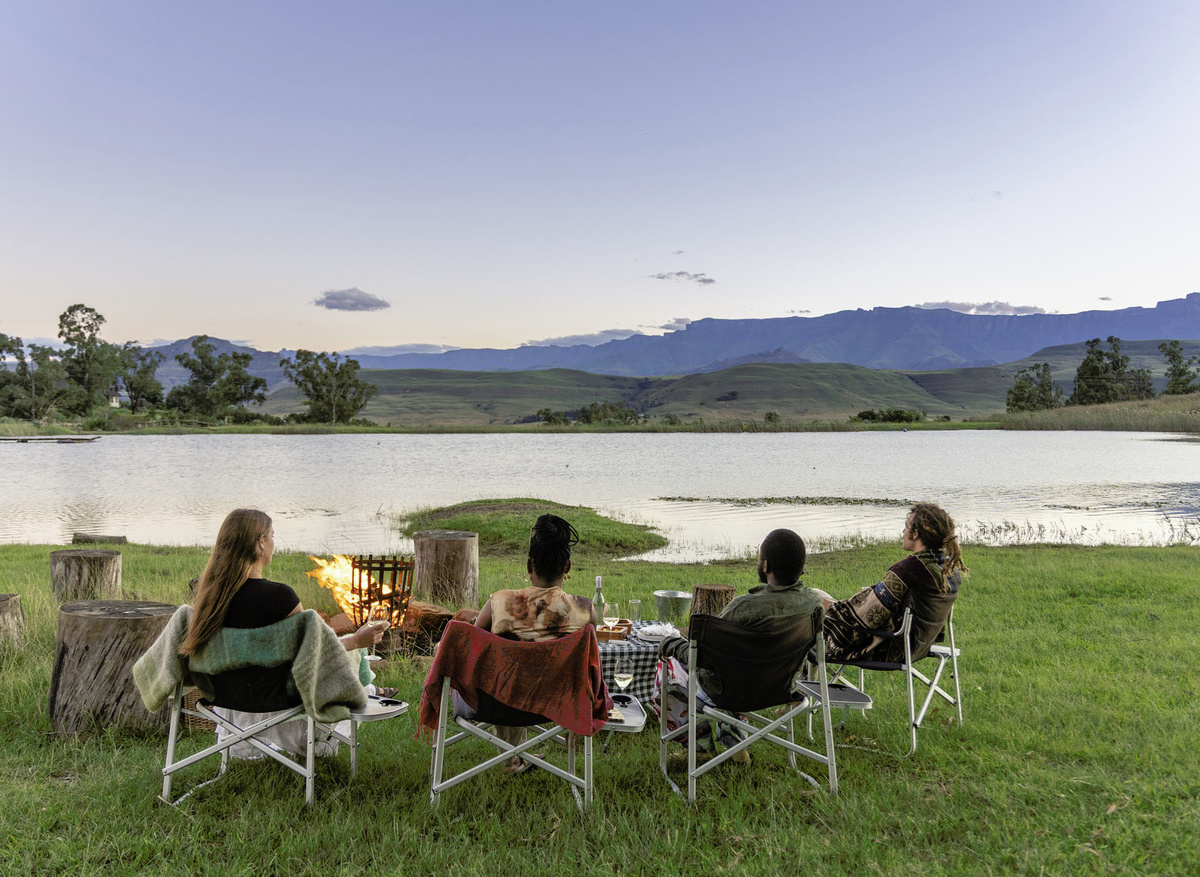
Montusi - Sundowners
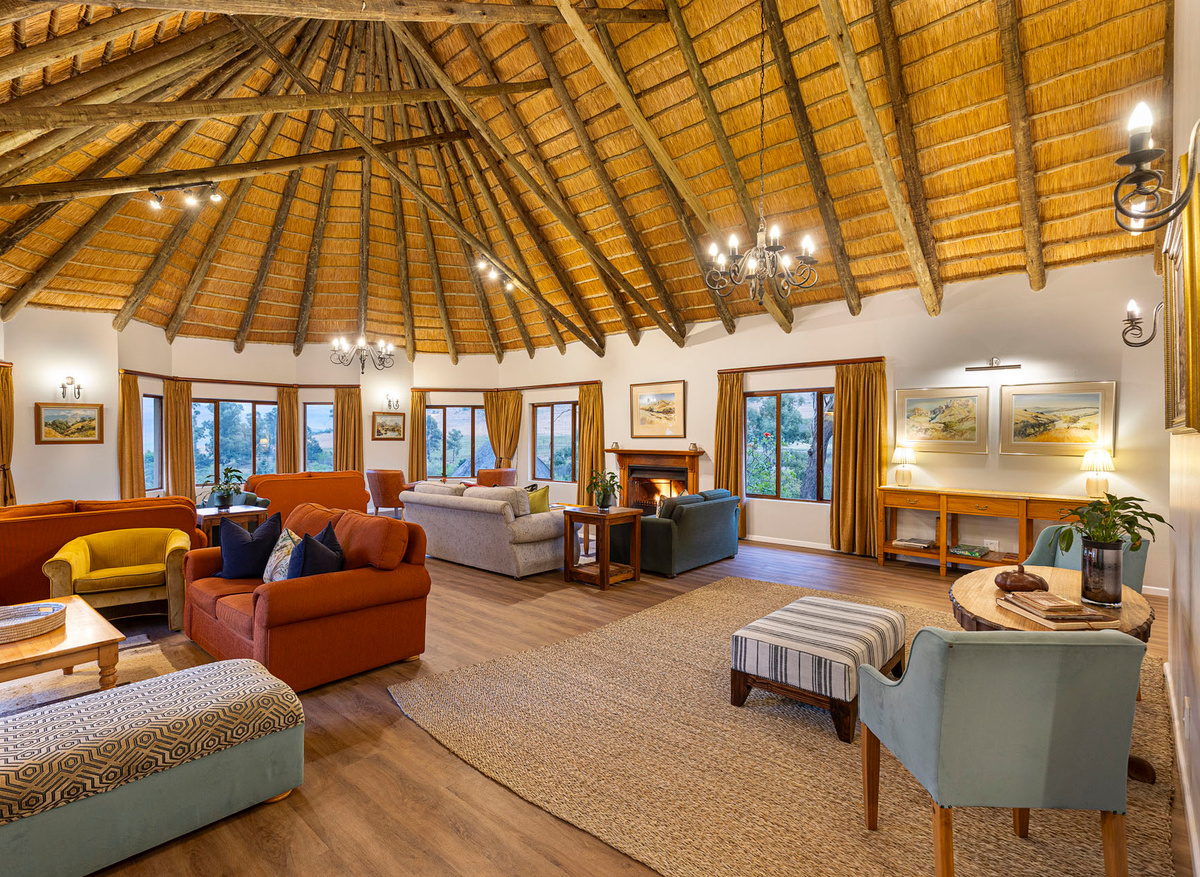
Montusi - Lounge
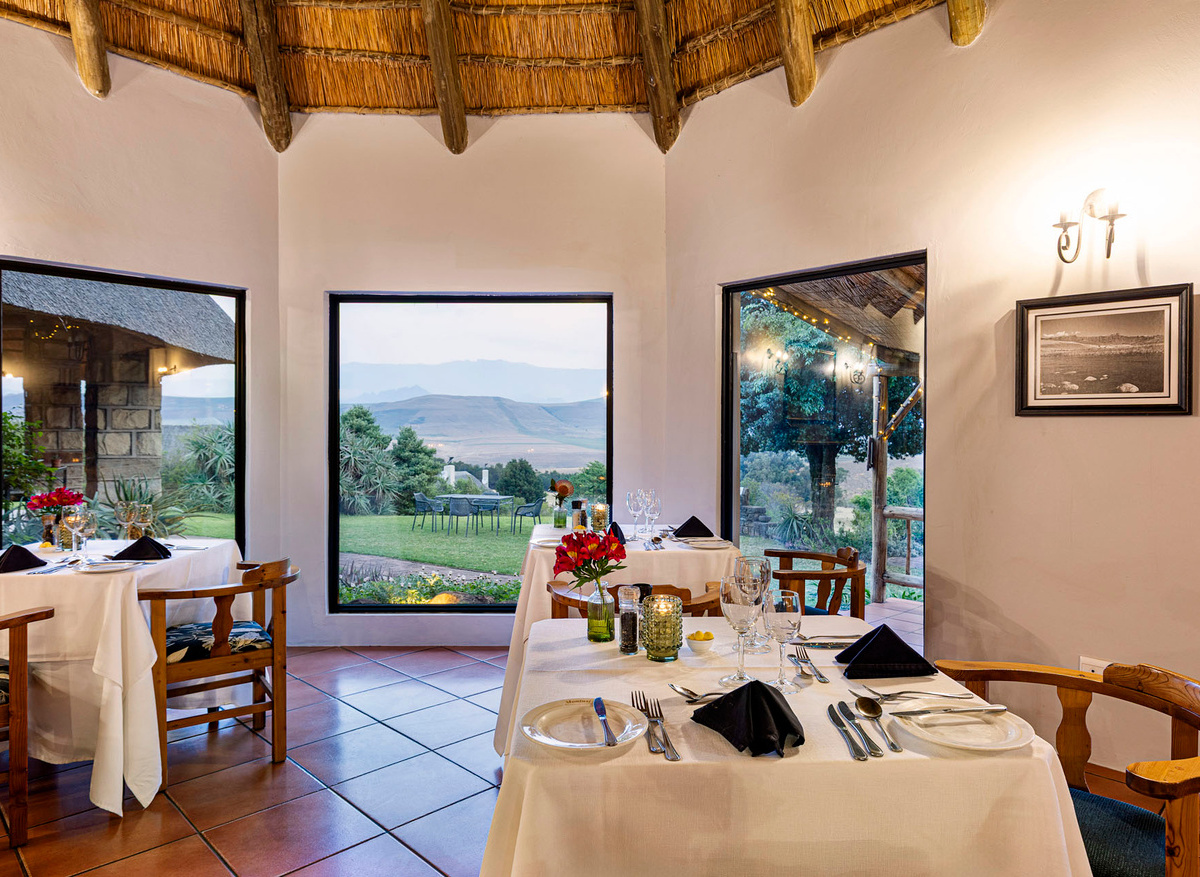
Montusi - Dining
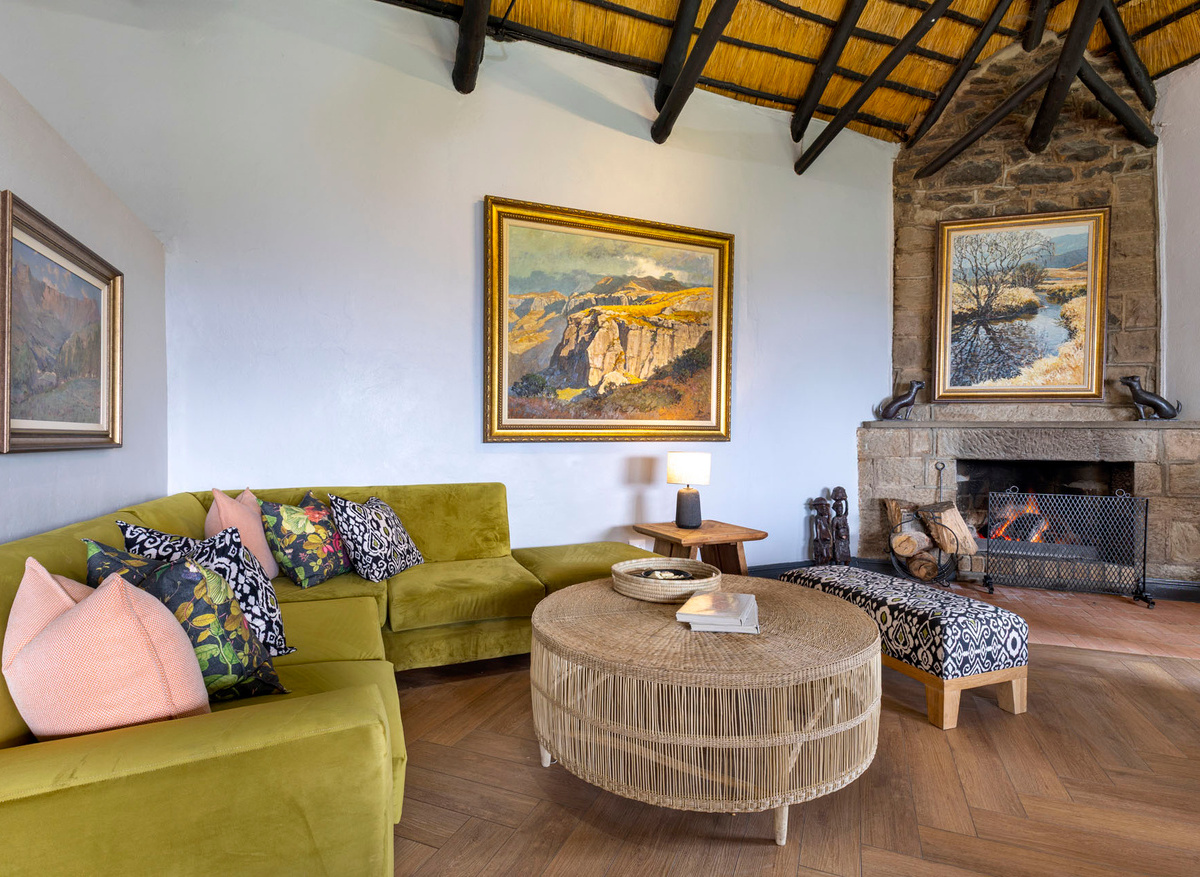
The Cavern - Lounge
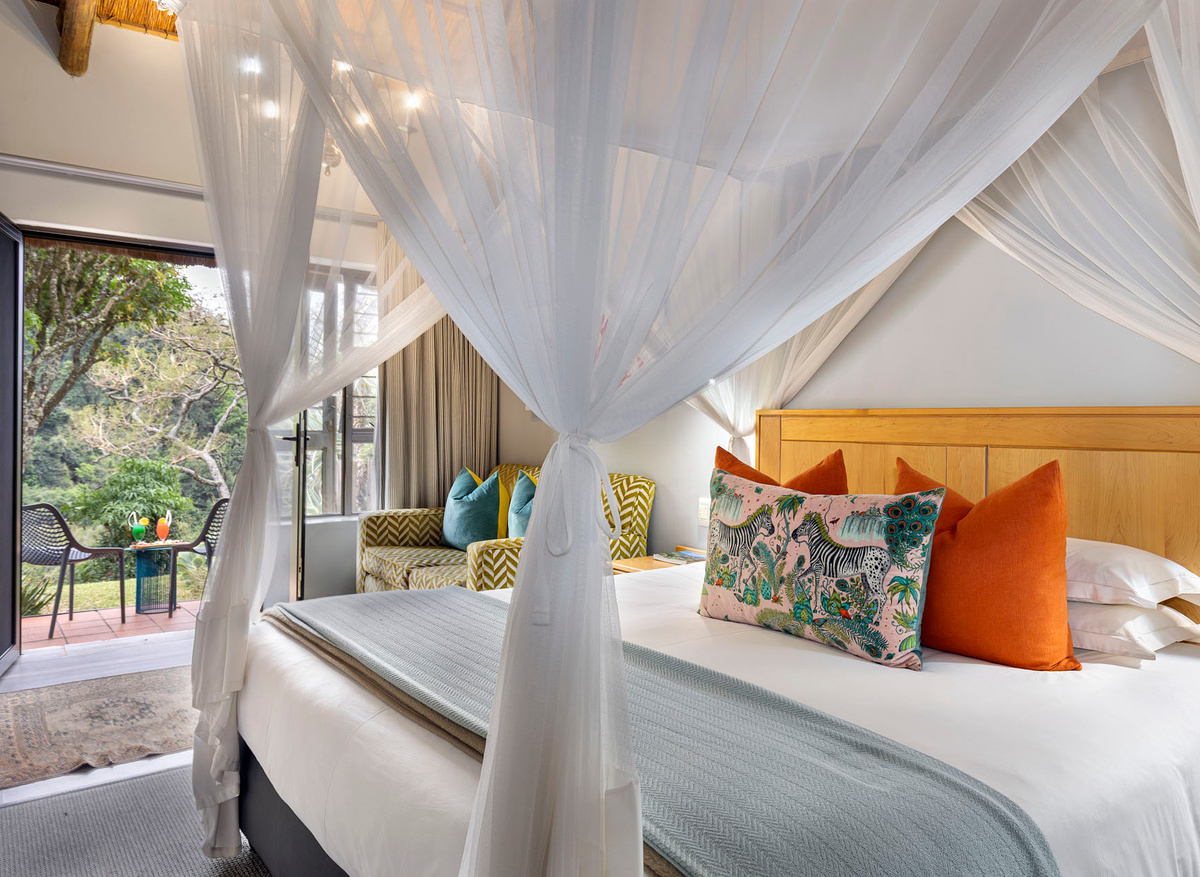
The Cavern - Superior Room
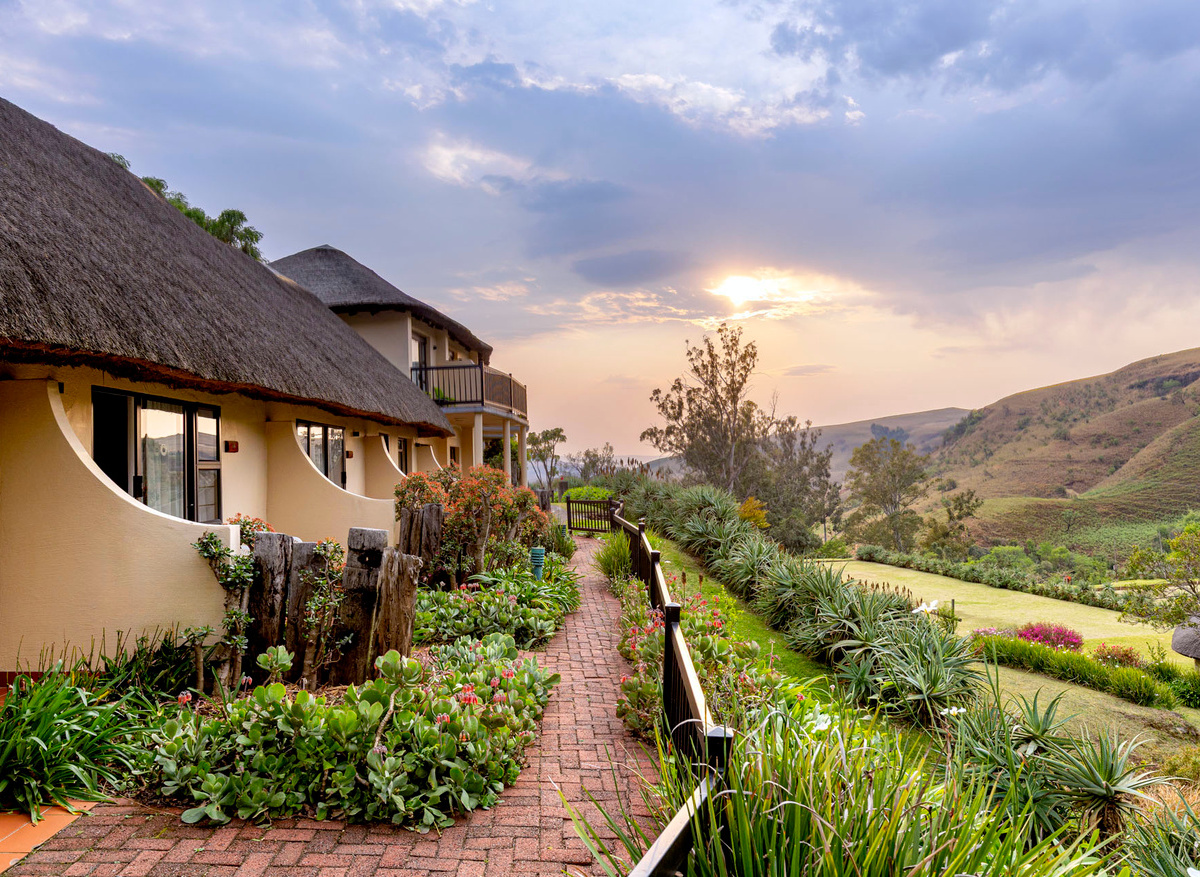
The Cavern - Accommodation
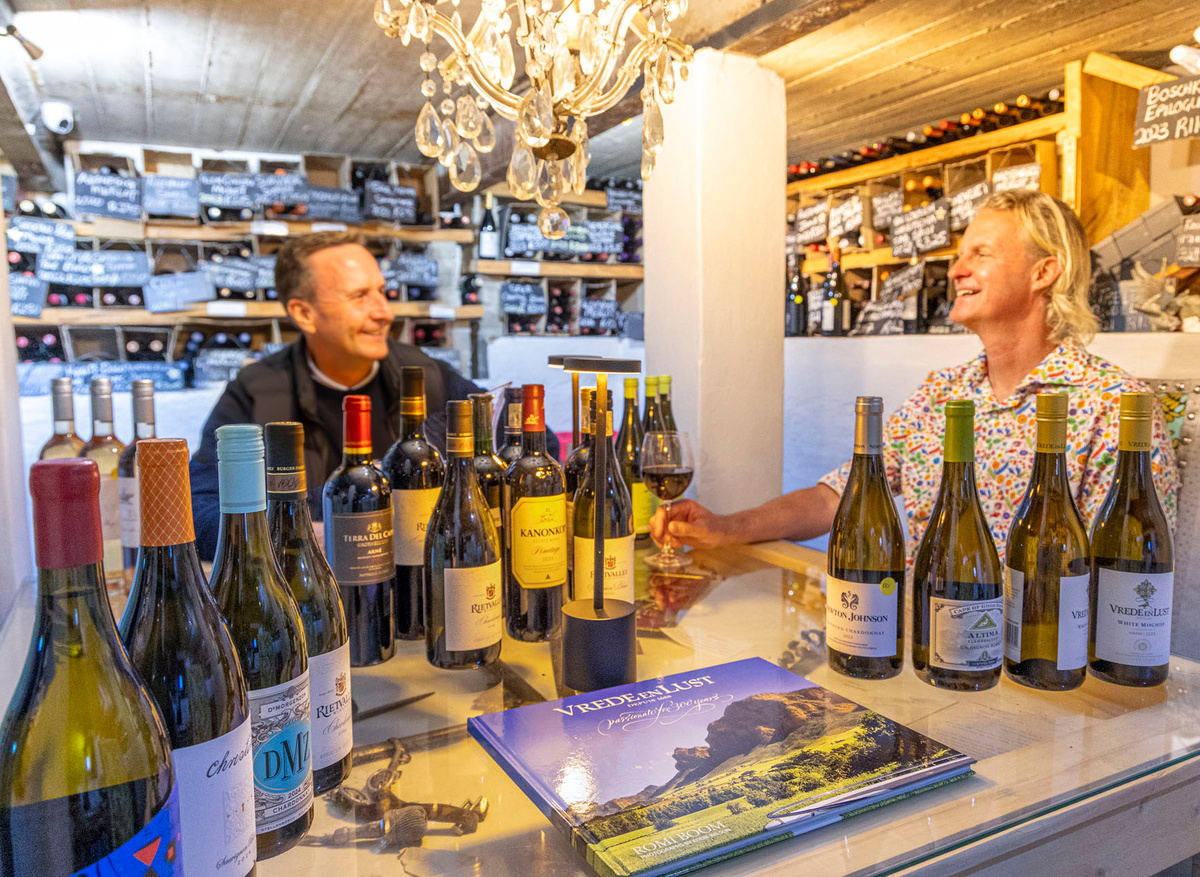
The Cavern - Underground Wine Cellar
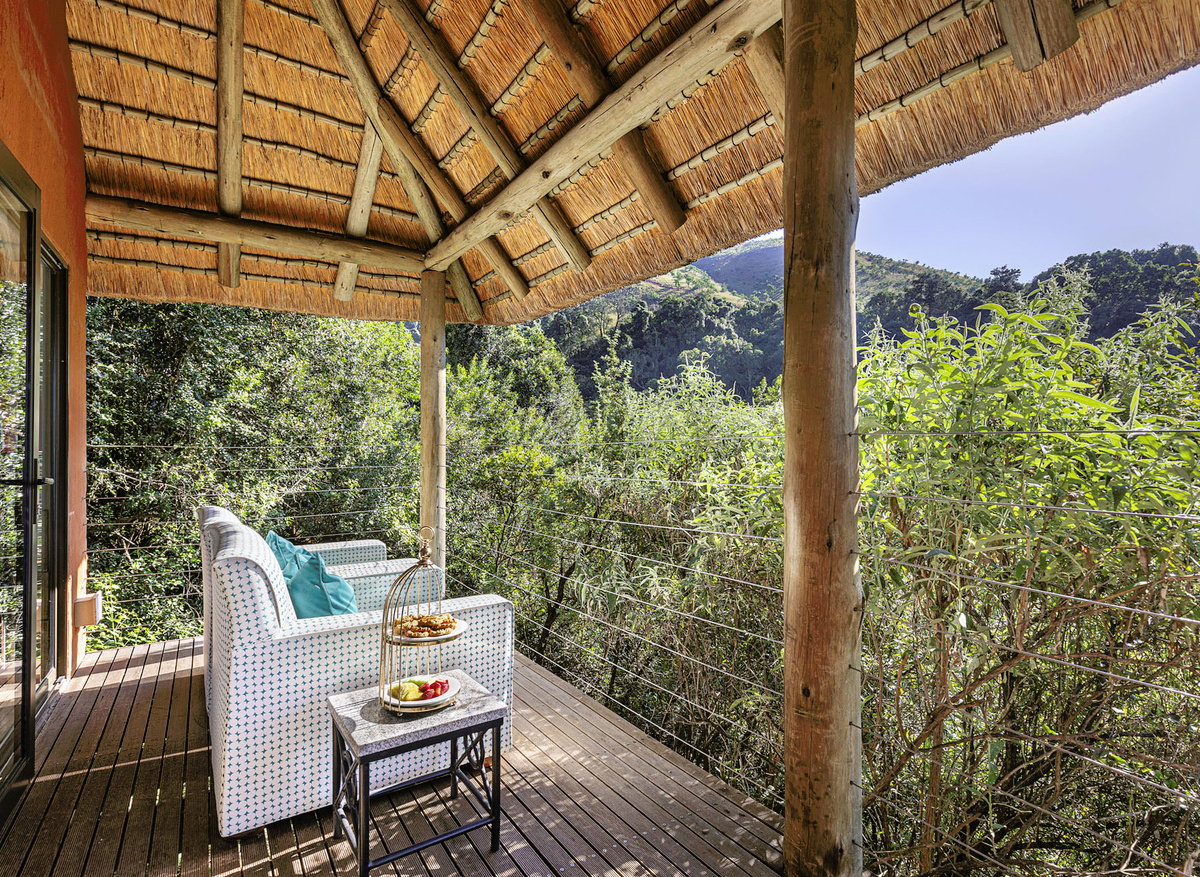
The Cavern - Forest Retreat Spa
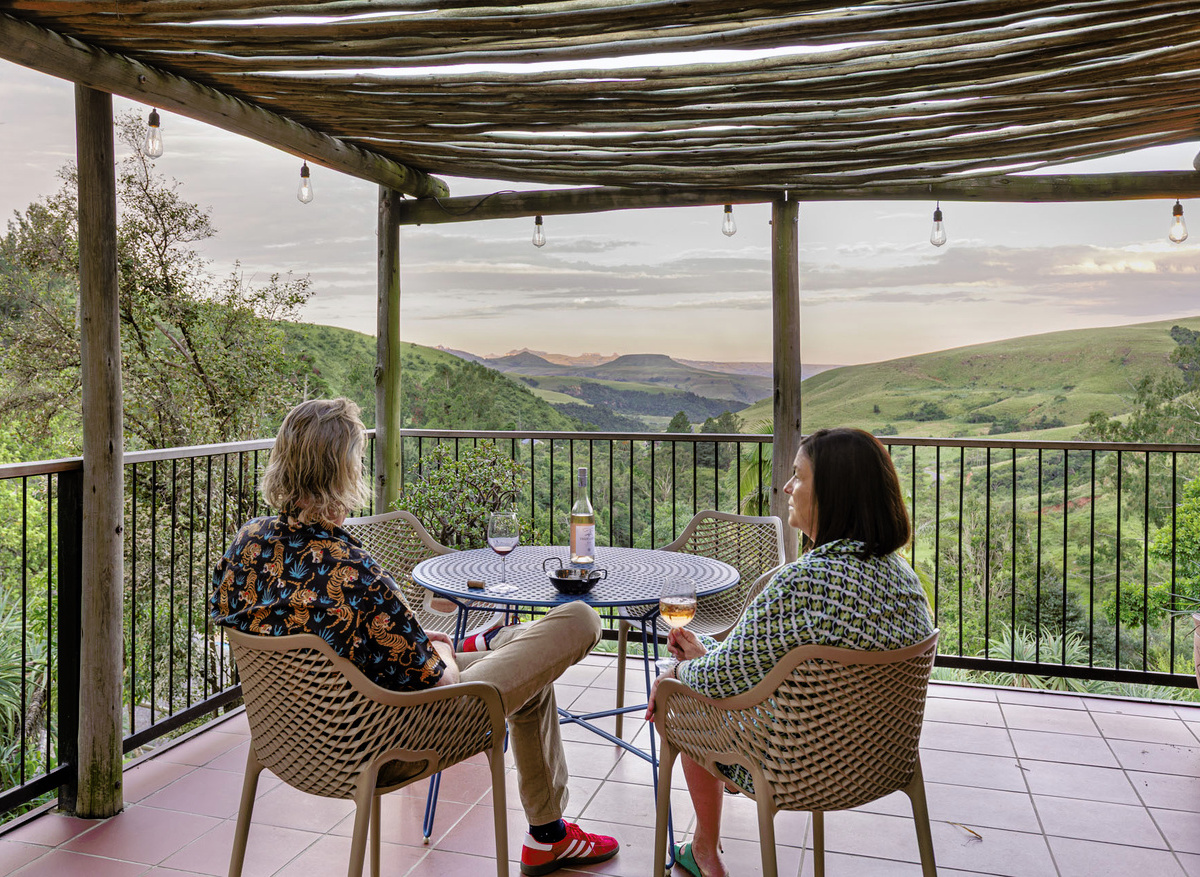
The Cavern - Evening sundowners
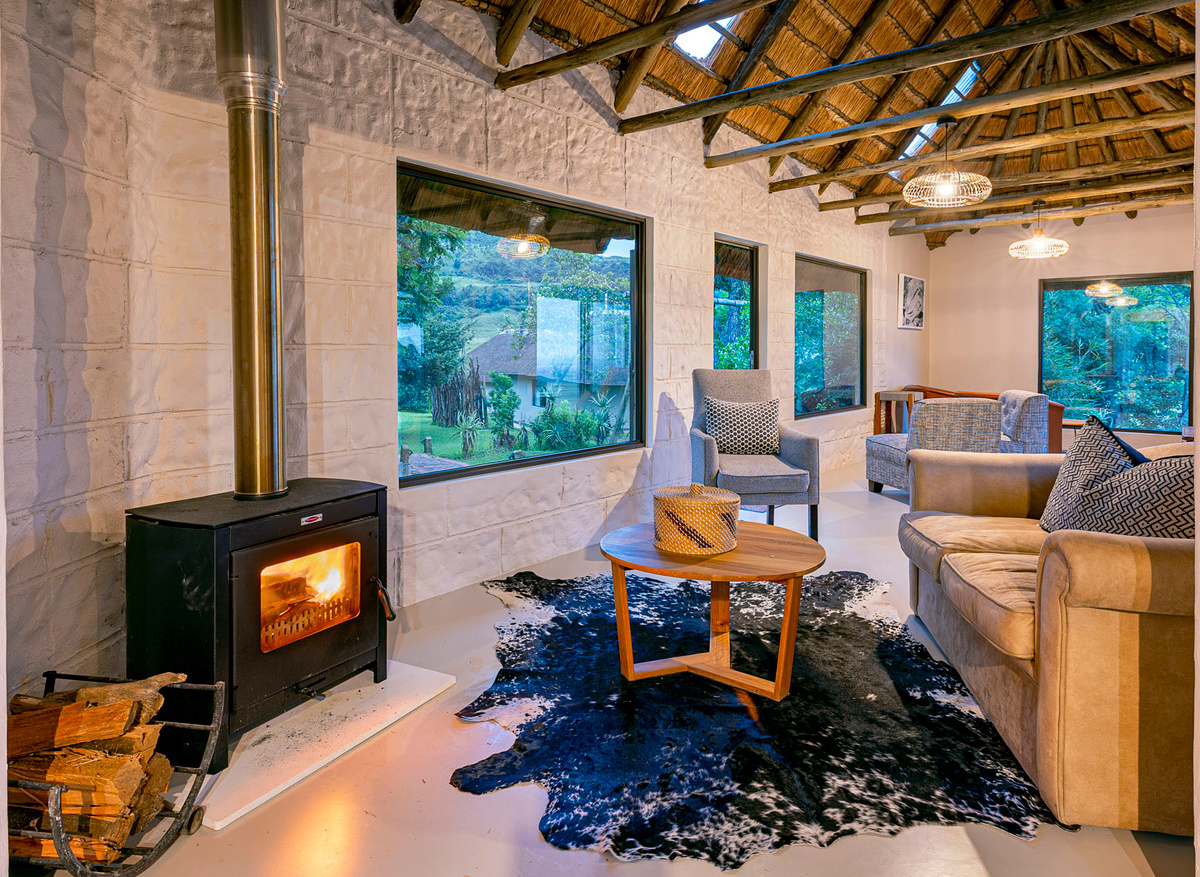
Sungubala - Lounge
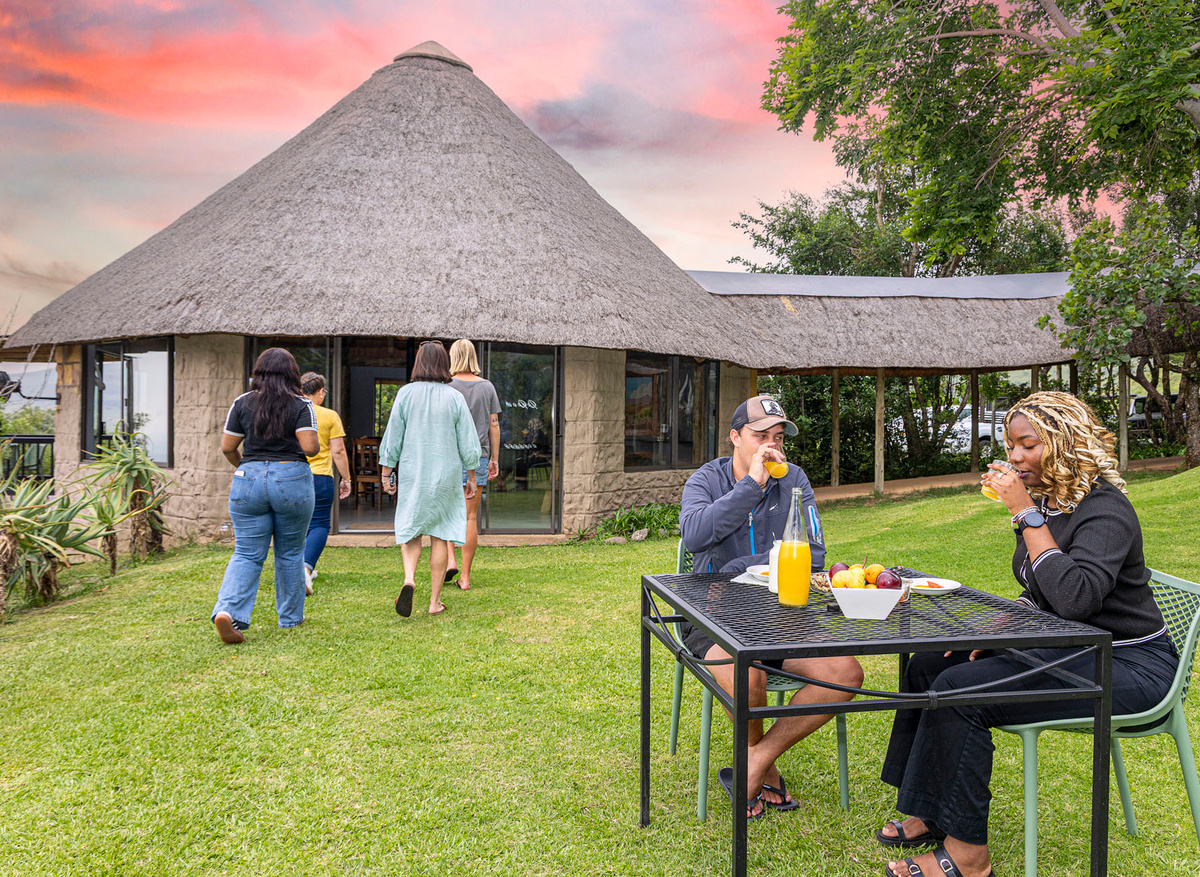
Sungubala - Dining
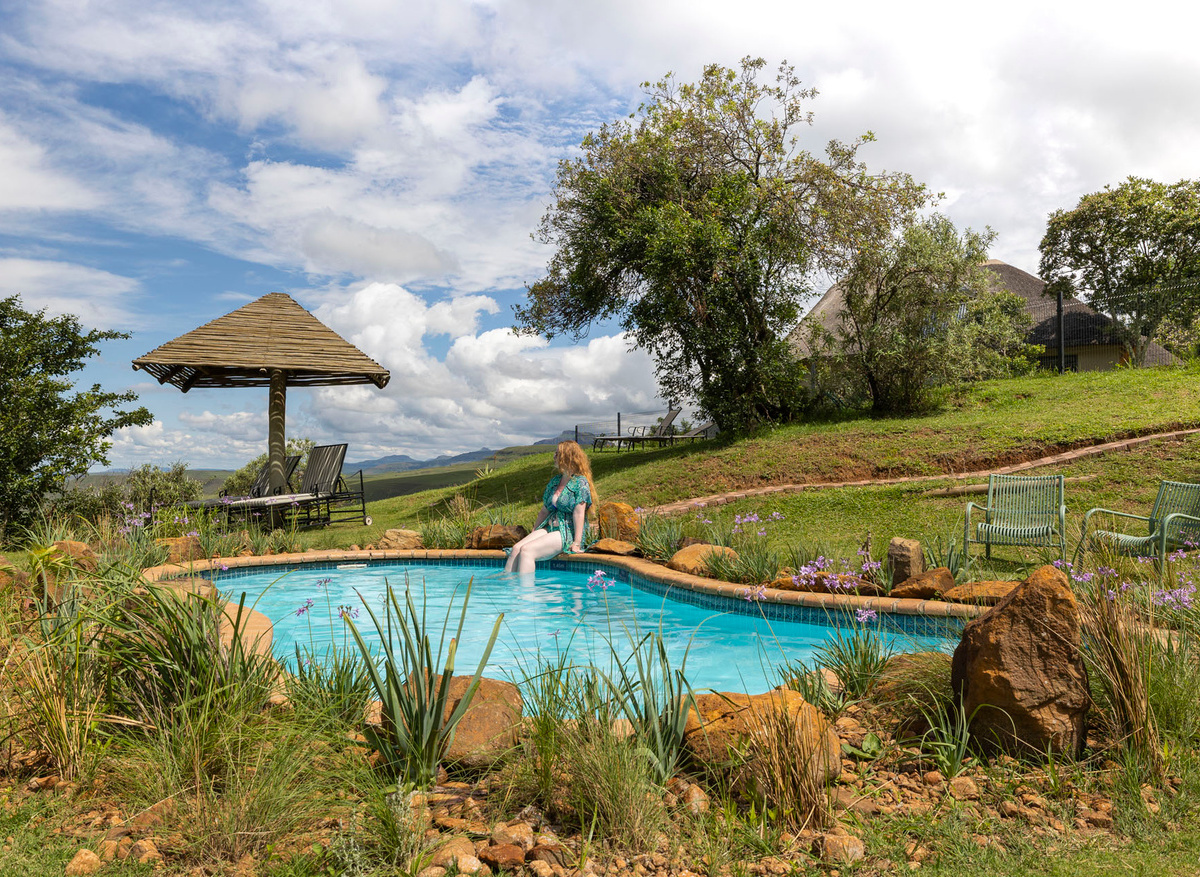
Sungubala - Pool
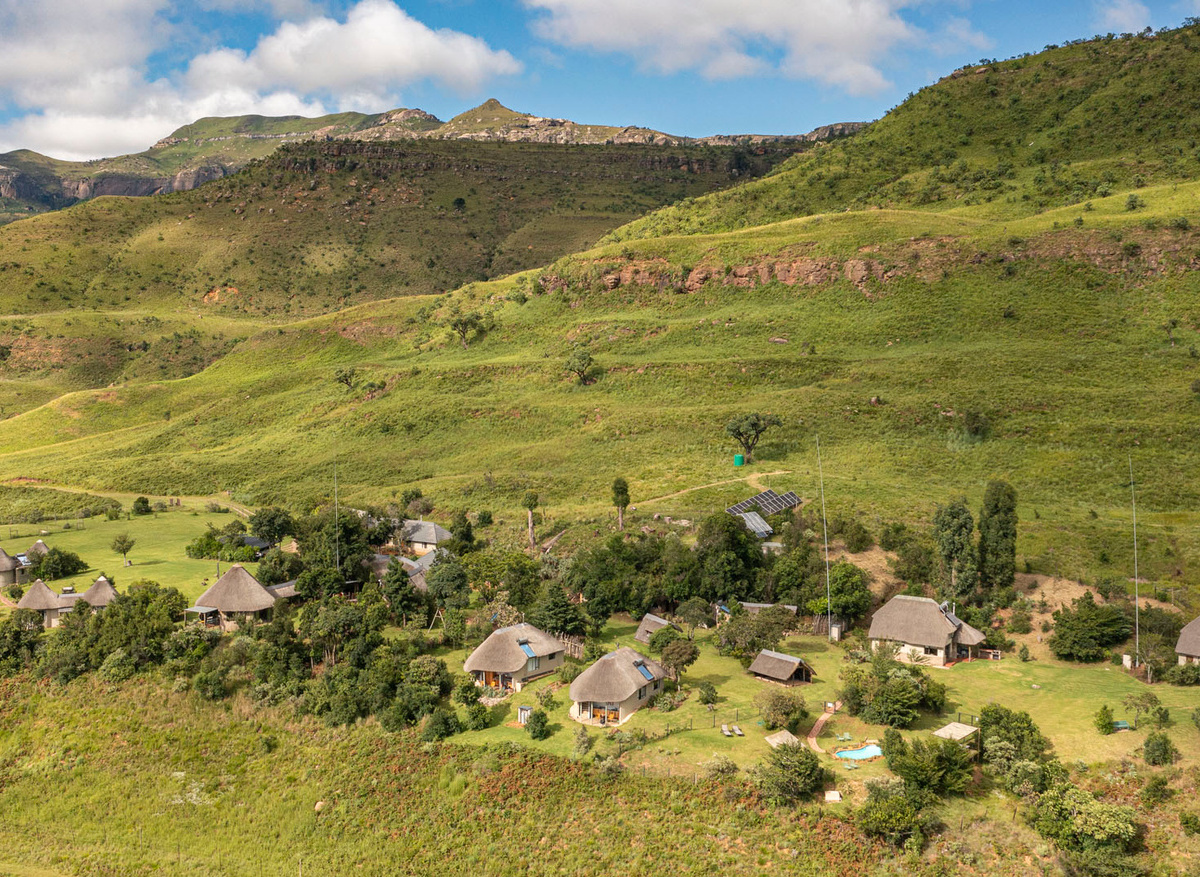
Sungubala - Accommodation
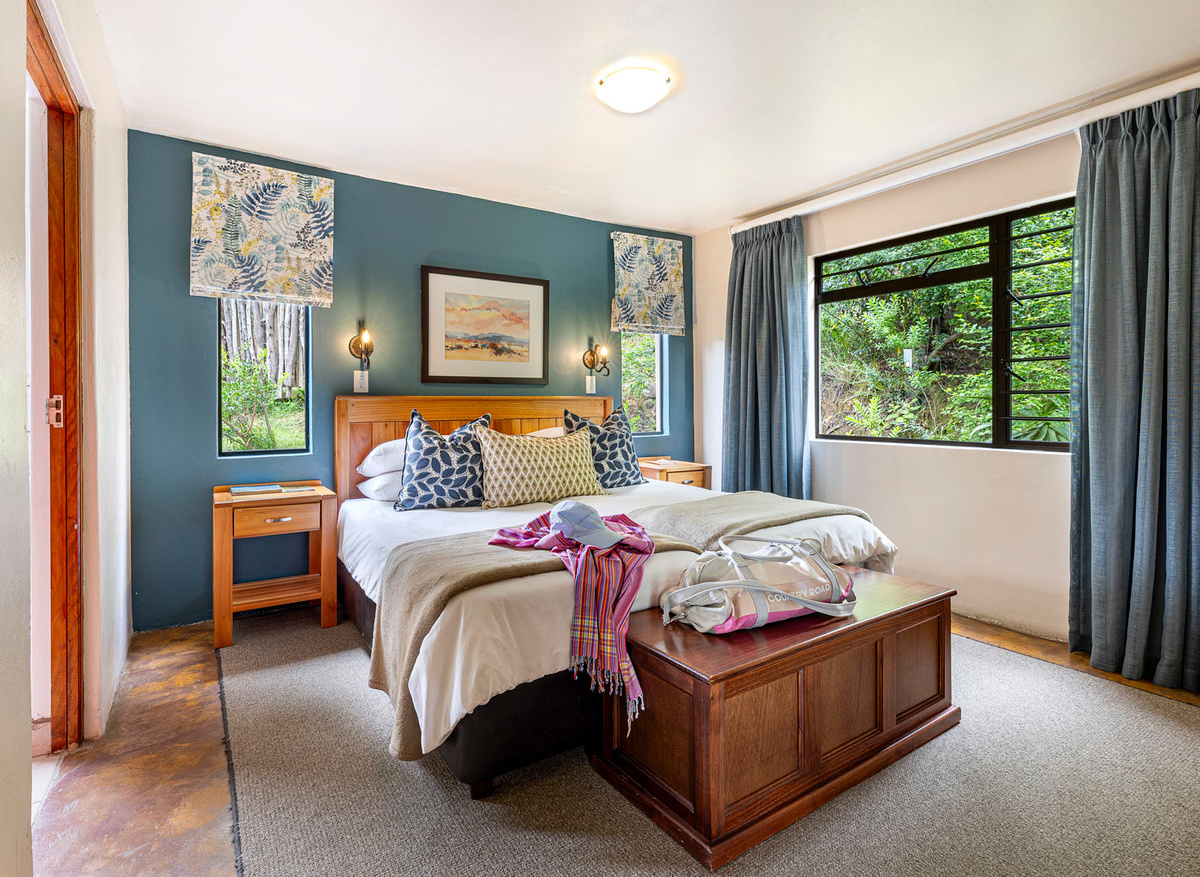
Sungubala - Rooms
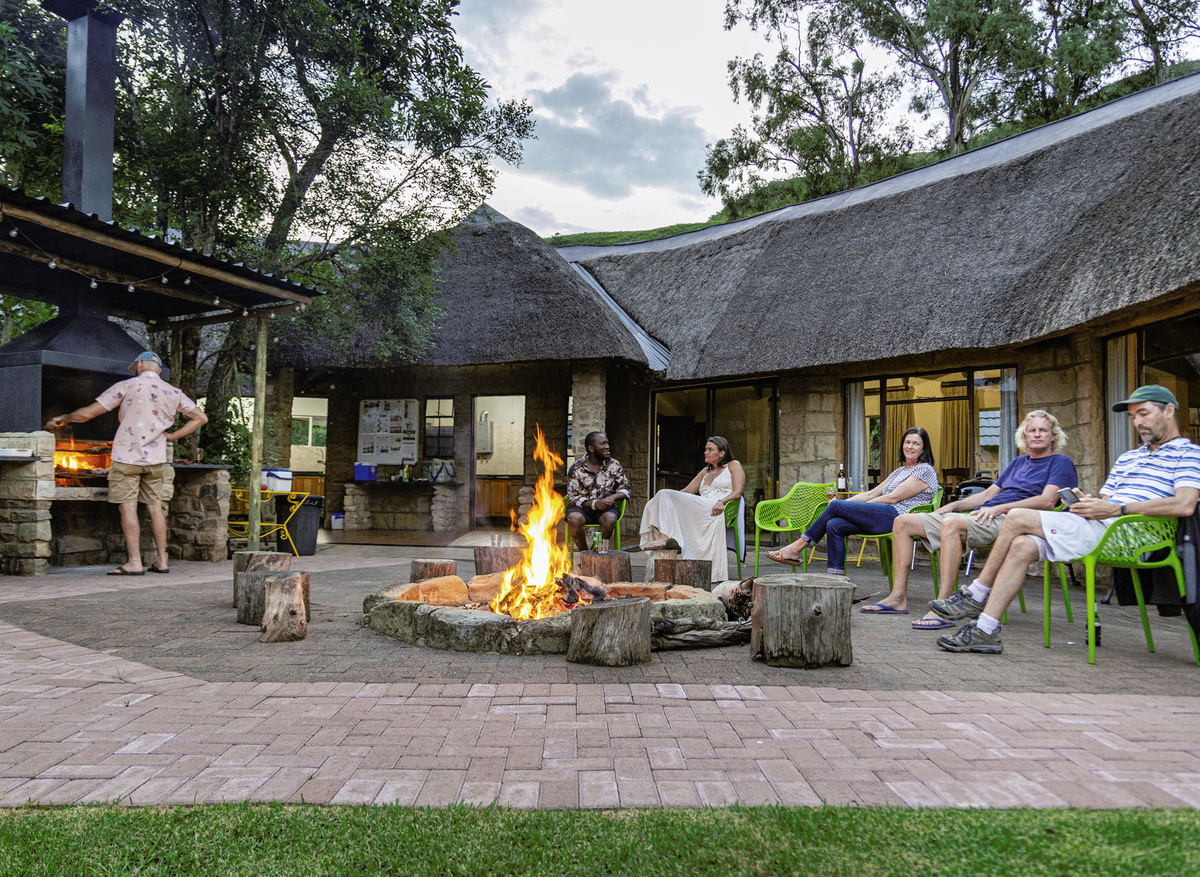
Sungubala - Braai
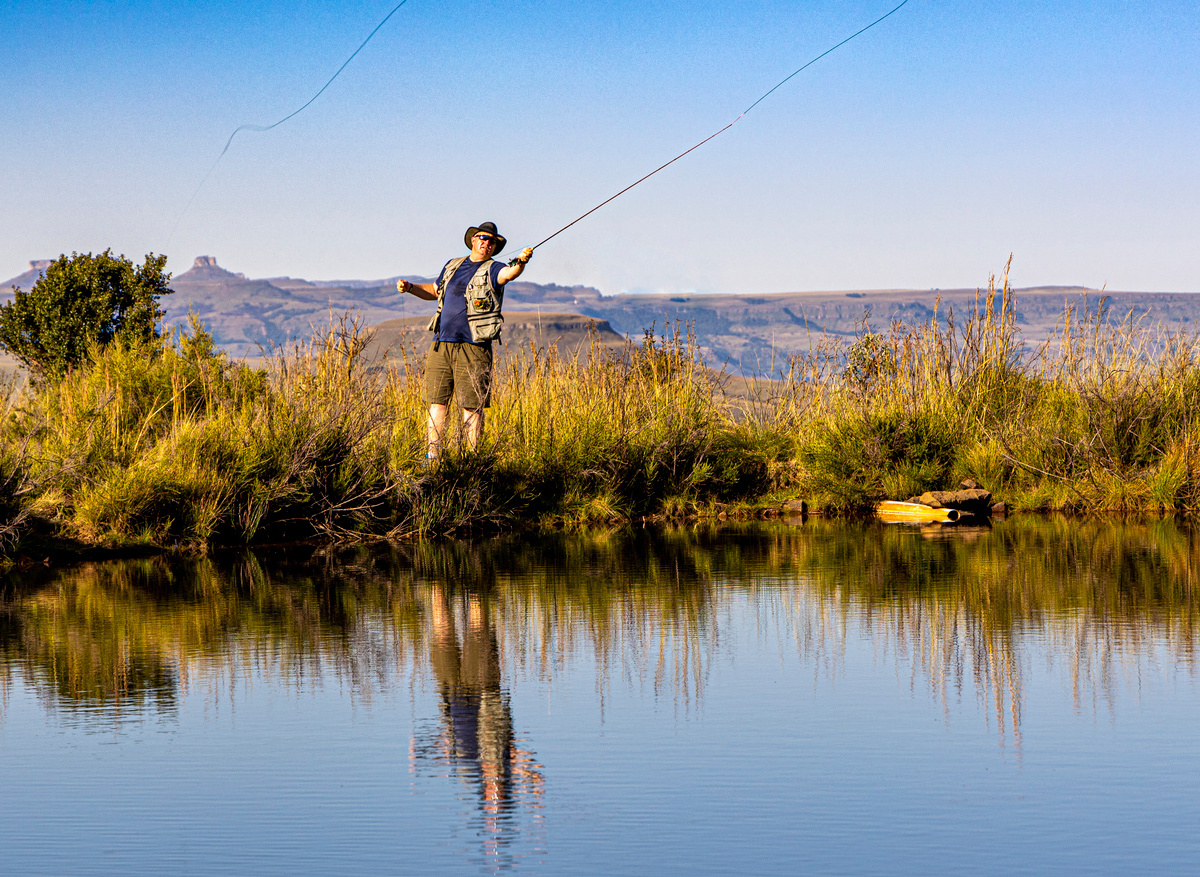
Carte Collection - Fly fishing
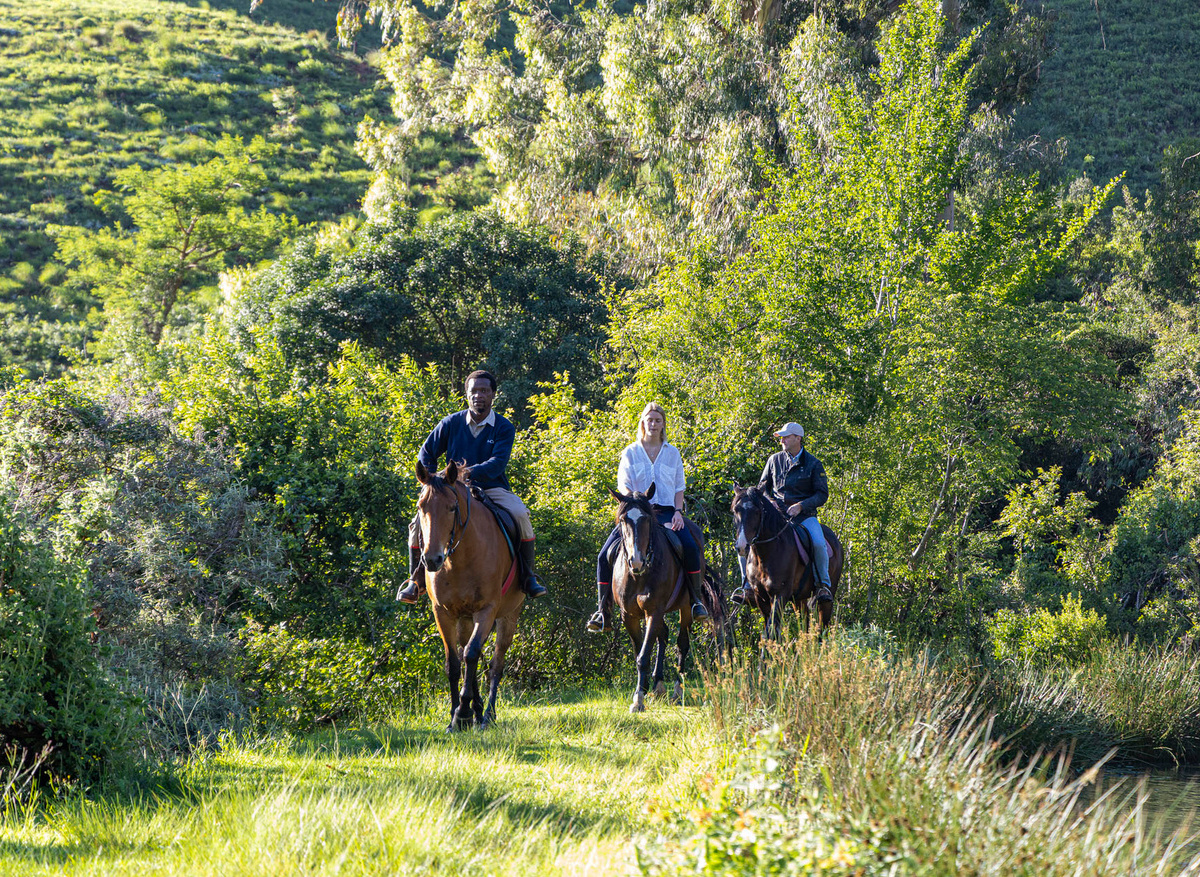
Carte Collection - Horse Riding
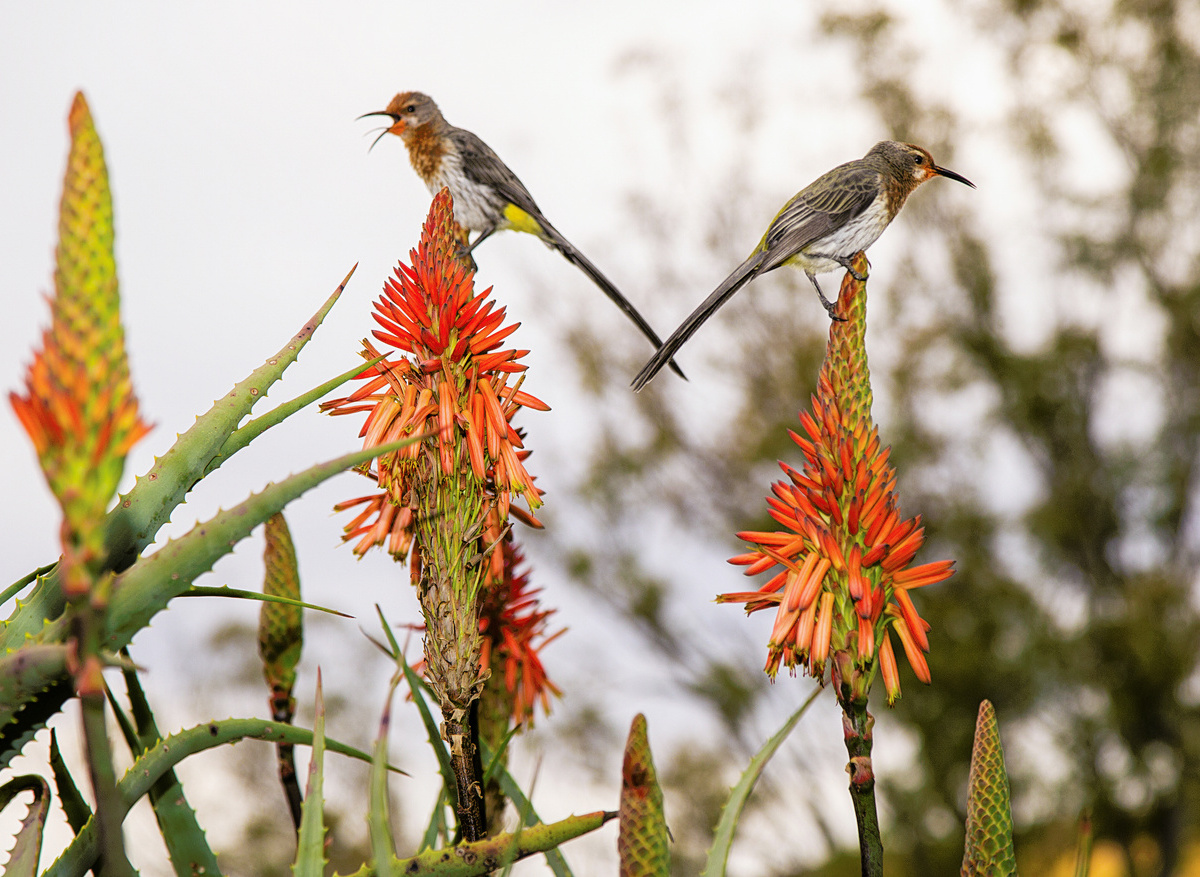
Carte Collection - Birding
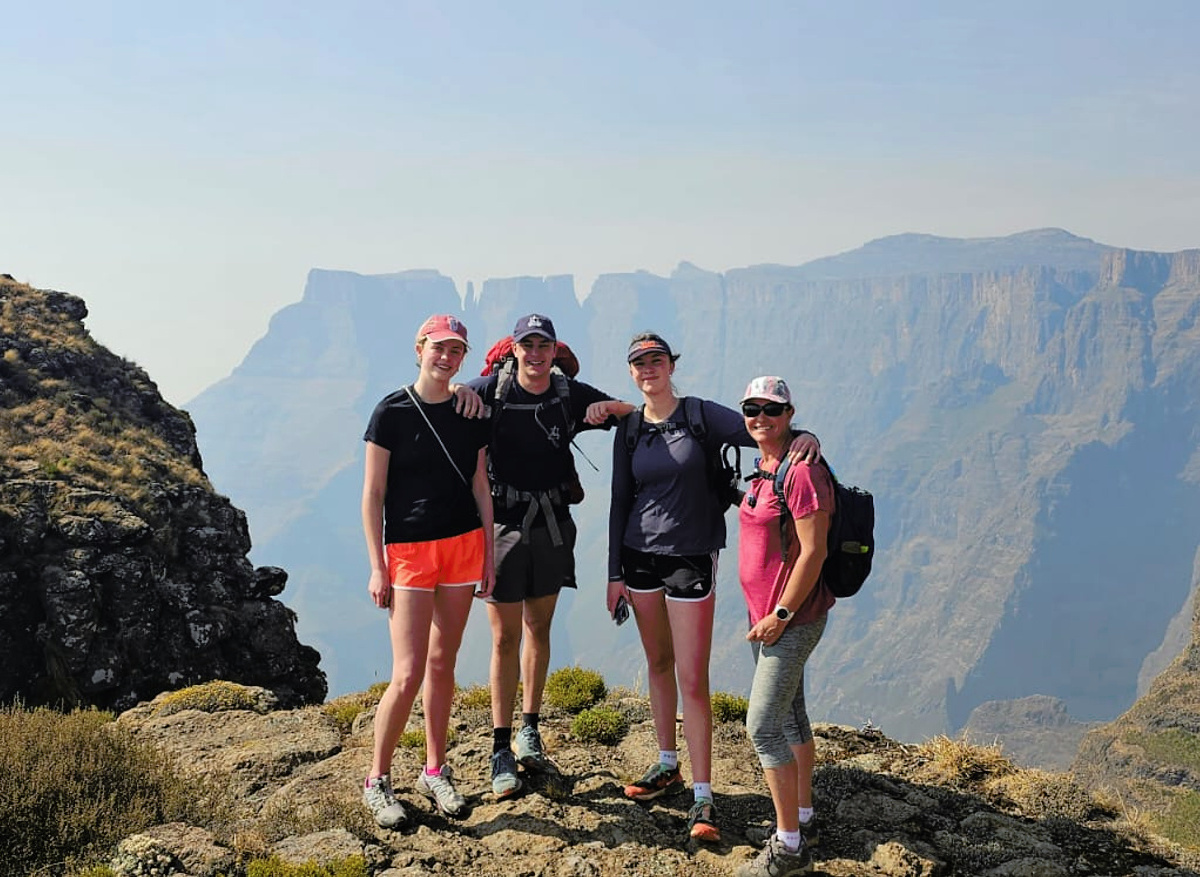
Carte Collection - Amphitheatre Ascent
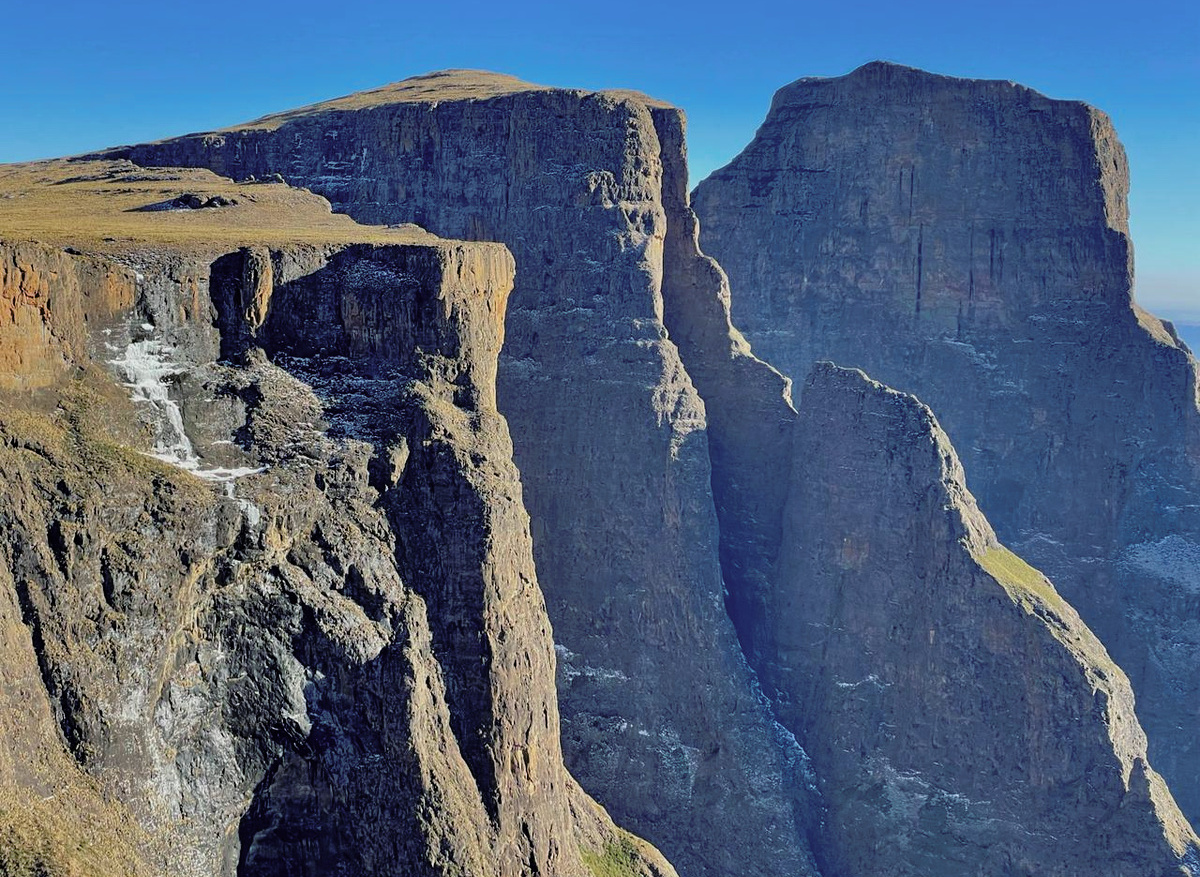
Carte Collection - Amphitheatre views
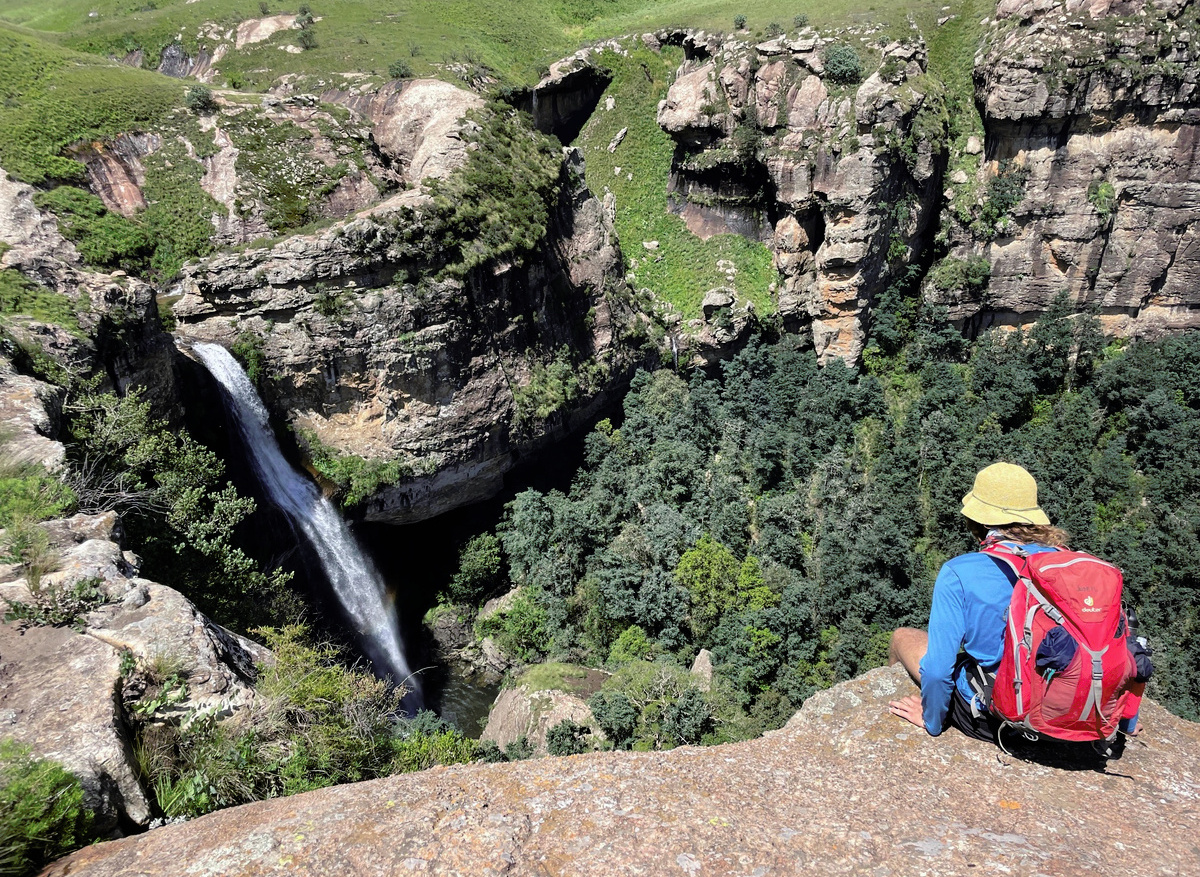
Carte Collection - Gudu Falls in the Royal Natal National Park
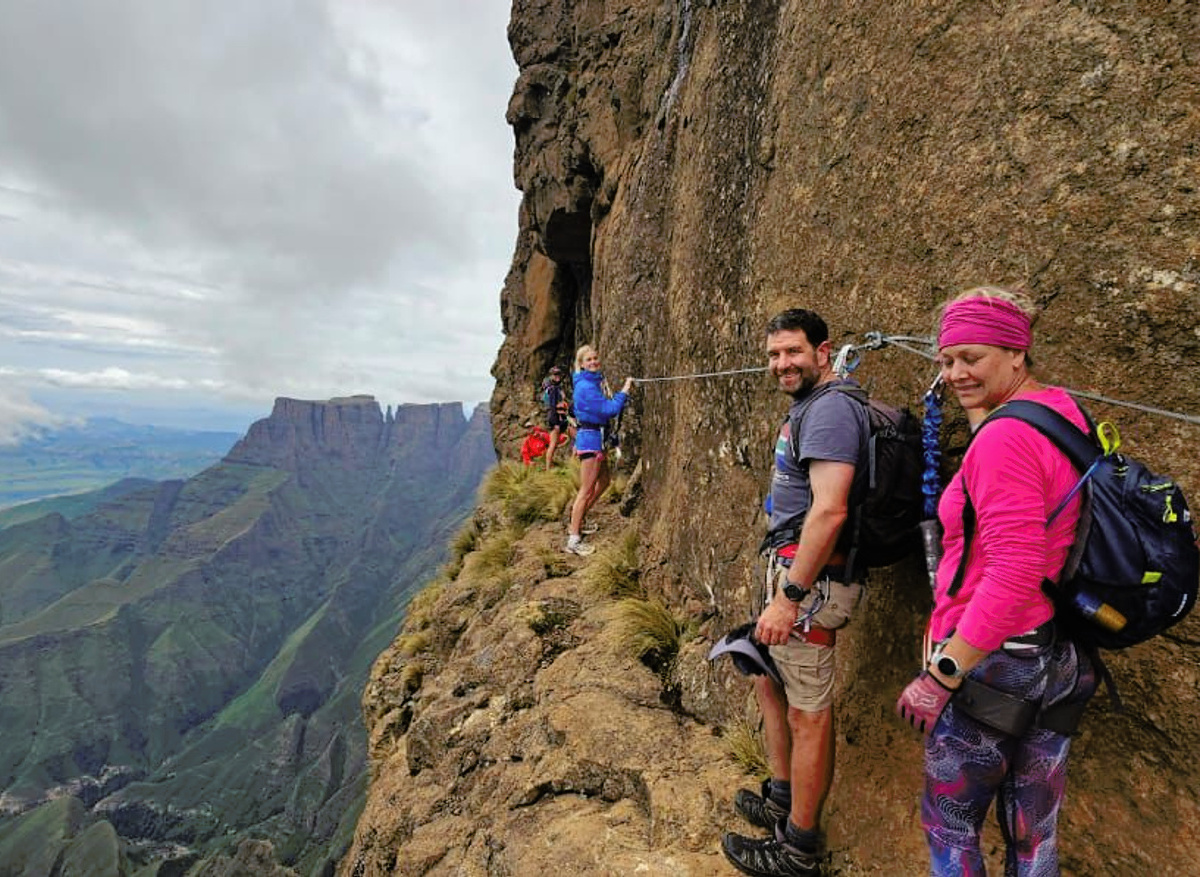
Carte Collection - Amphitheatre Via Ferrata
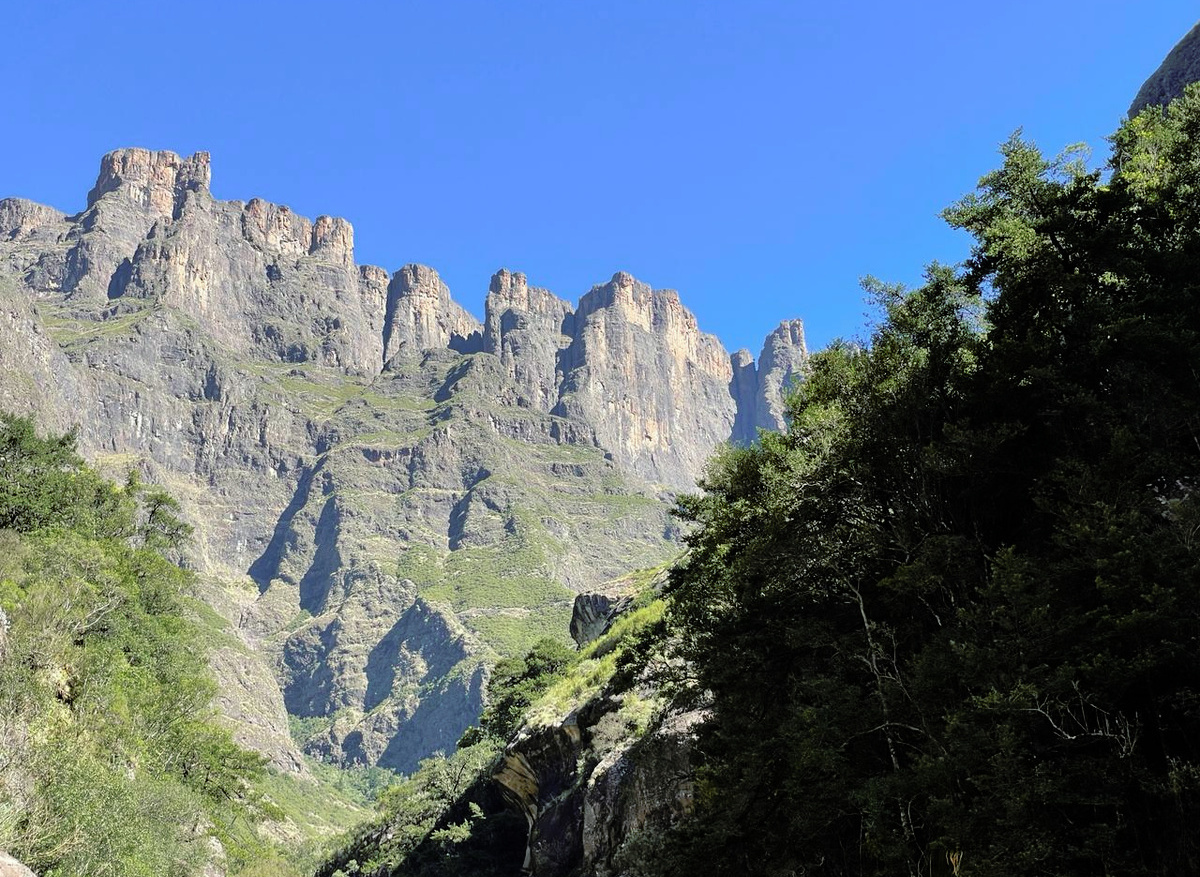
Carte Collection - Tugela Gorge
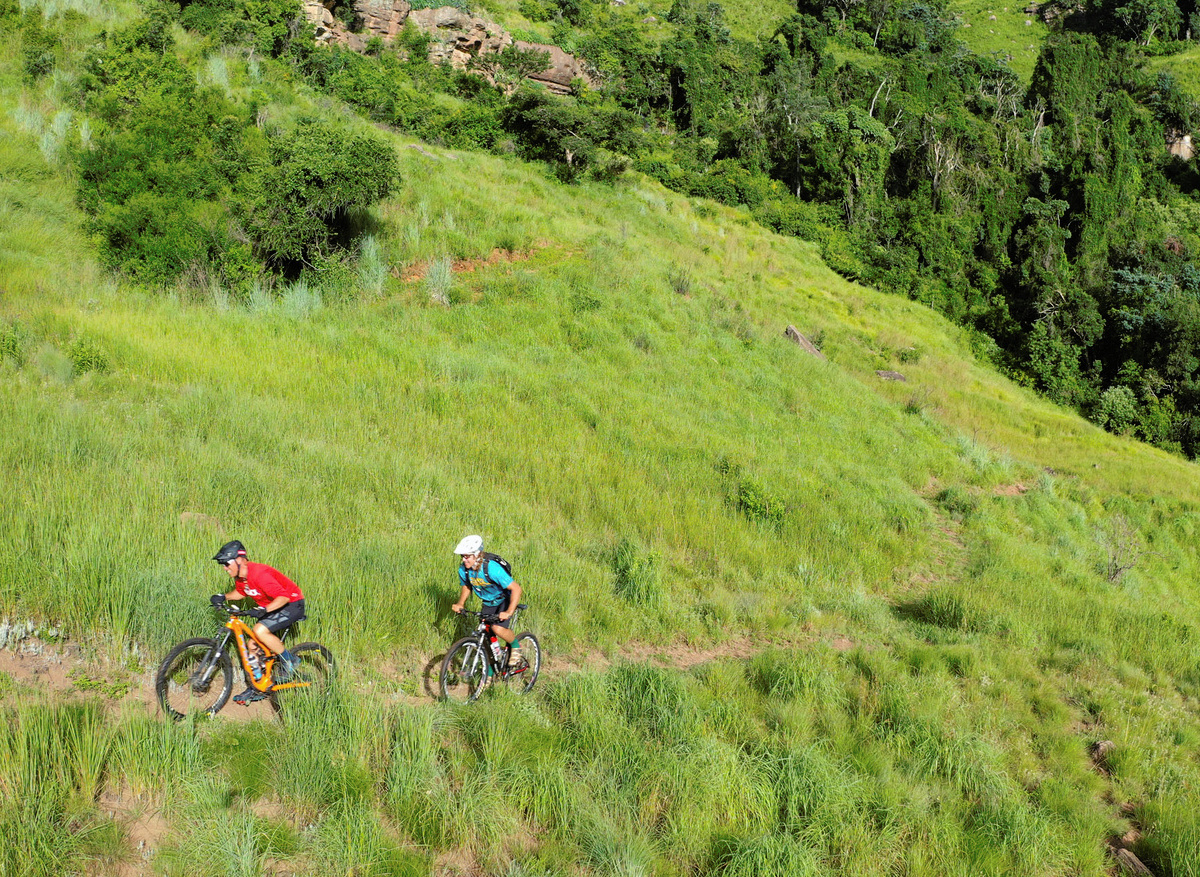
Carte Collection - Mountain Biking
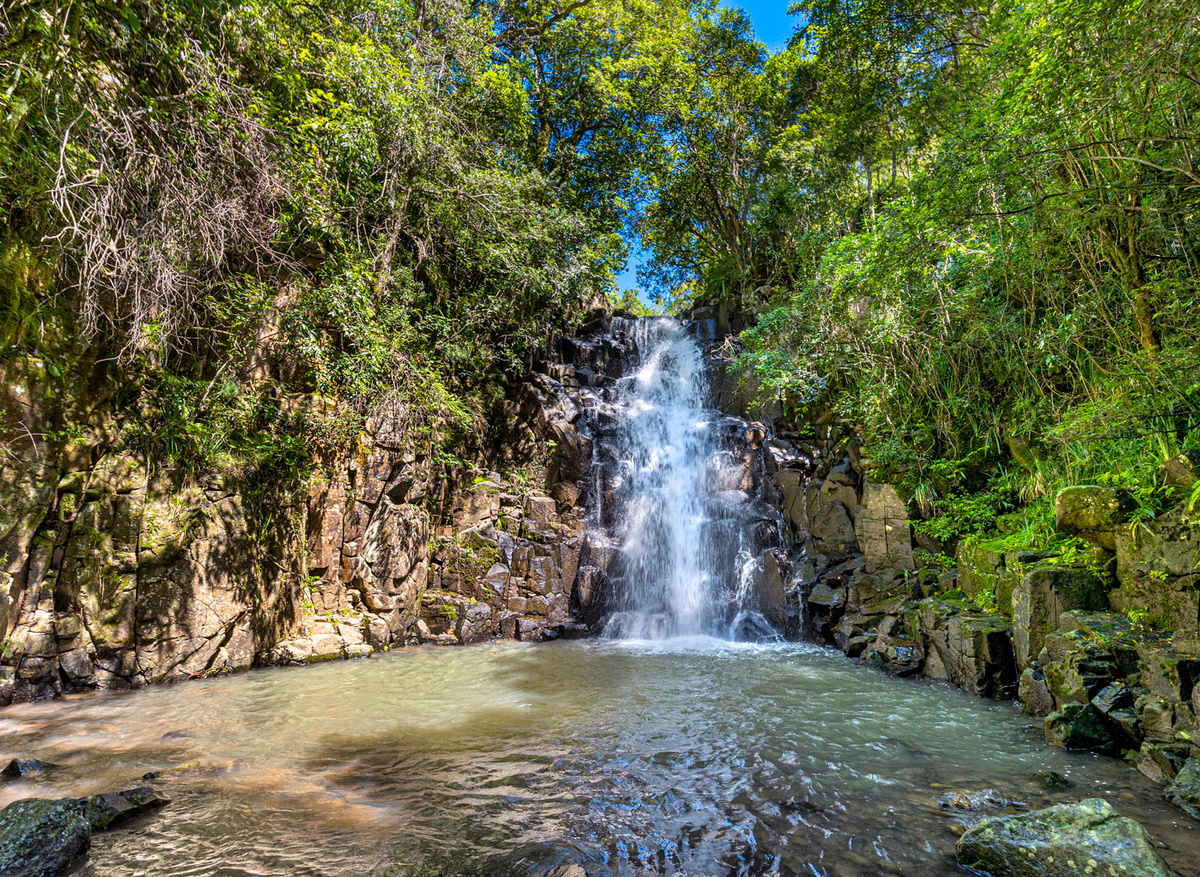
Carte Collection - Waterfall
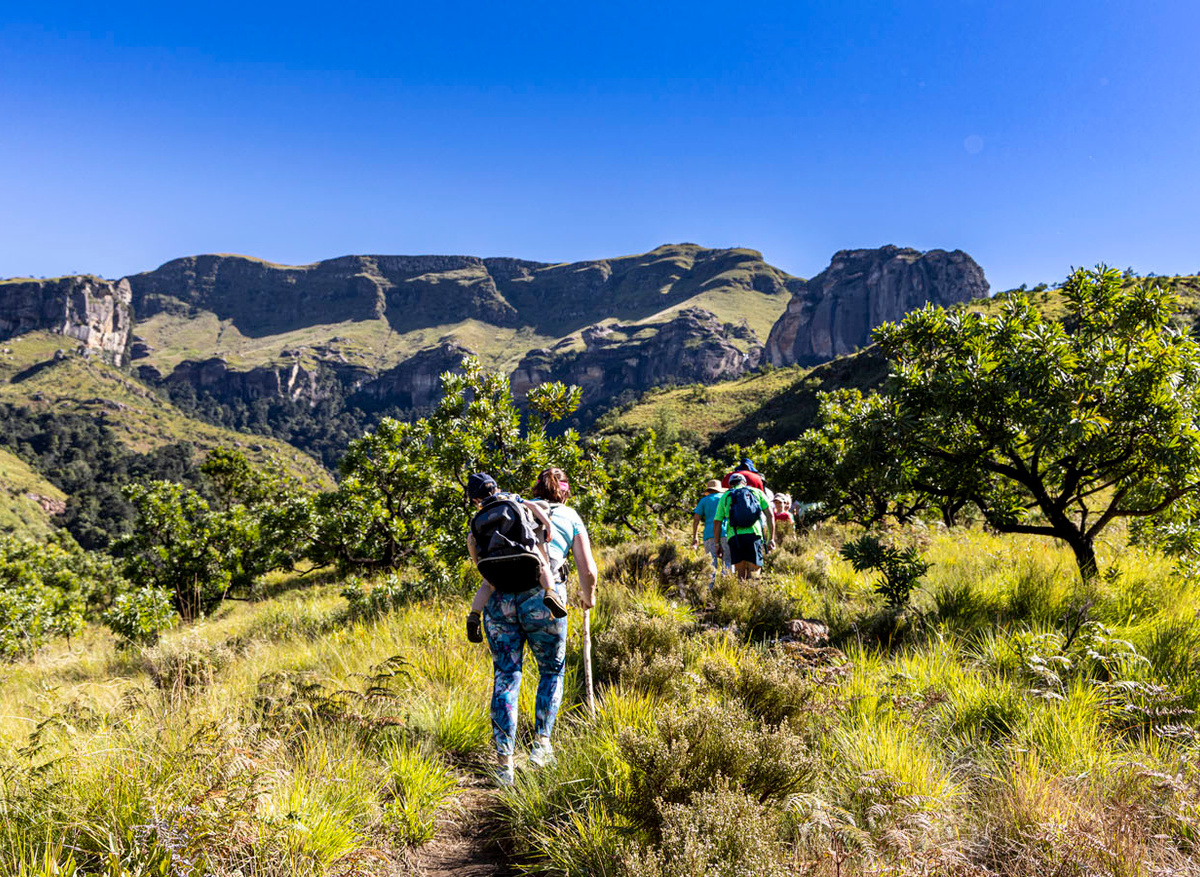
Carte Collection - Trekking
Royal Drakensberg Education Trust
1. Royal Drakensberg Primary School which provides a quality foundation to learning was established in 2007. Children enrol in the year they turn 4 years old and remain until 10. Through a curriculum which acknowledges children’s mother tongue while also promoting English learning the school’s teachers focus on the full development of the child, nurturing and supporting them to reach their full potential. Royal Drakensberg works closely with teachers from the community offering a mentoring programme to support the Khanyisela pre-schools.
2. Early childhood development. In 2006 the Khanyisela Project began to support 5 small rudimentary centres and since then it has built schools, promoted learning and trained more than 50 ECD practitioners. We now support 18 facilities in which we actively promote learning opportunities through play and rich experience to develop language and other pre-literacy skills. To achieve this, we focus on teacher education, enabling staff to attain formal qualifications from Midlands College. We provide ongoing whole staff CPD and short internships at RDPS. Visits from UK consultants and the University of Ghent provide further support for practice and mentoring from 2 more experienced local staff offers ongoing development and problem solving .These activities aim to equip children for success in grade R and beyond.
3. Carer and baby programme – BabyBoost. We acknowledge that learning begins in infancy. Children given opportunities for stimulation as babies into early years develop strong neurological pathways which provide solid foundations for future learning. Accordingly in 2017 we started a carer and baby programme based on research to promote the early foundations of interaction and language development through supporting carers to provide responsive caregiving through talking, playing, cuddling, responding, and singing to babies. The program was developed from the bottom up and in response to observations of the needs of very young children in preschool facilities and driven by understanding that carers, given knowledge and support can be powerful agents of children’s earliest development. The program now has a manual, is culturally appropriate and is delivered by local facilitators via group coaching sessions, home visits, and structured play groups and is supported by toy and book libraries.